Category: Economics

  • What other nations did to move from poverty to wealth

    What other nations did to move from poverty to wealth

    For centuries, state intervention has been at the core of wealth creation and economic success stories worldwide, starting with Britain and Europe in the late 15th century, carrying through to the USA in the 19th century, and Japan, Taiwan, South Korea, and Malaysia in the 20th century, and now China and India in the 21st century, reports Osei Boateng.

    In recent decades, Africa and other developing countries have been encouraged to jump into free trade agreements with industrialised economies because it is supposedly the only way to grow the African economies. But Prof Ha-Joon Chang tells how all of today’s rich countries used nationalistic policies (tariffs, subsidies, restrictions on foreign investment, etc) to protect and promote their infant industries.

    The story was the same with the more recent economic success stories of China and, increasingly, India. Their examples, according to Chang, “show the importance of strategic, rather than unconditional, integration with the global economy based on a nationalistic vision”.

    Below is what the other nations did:

    China

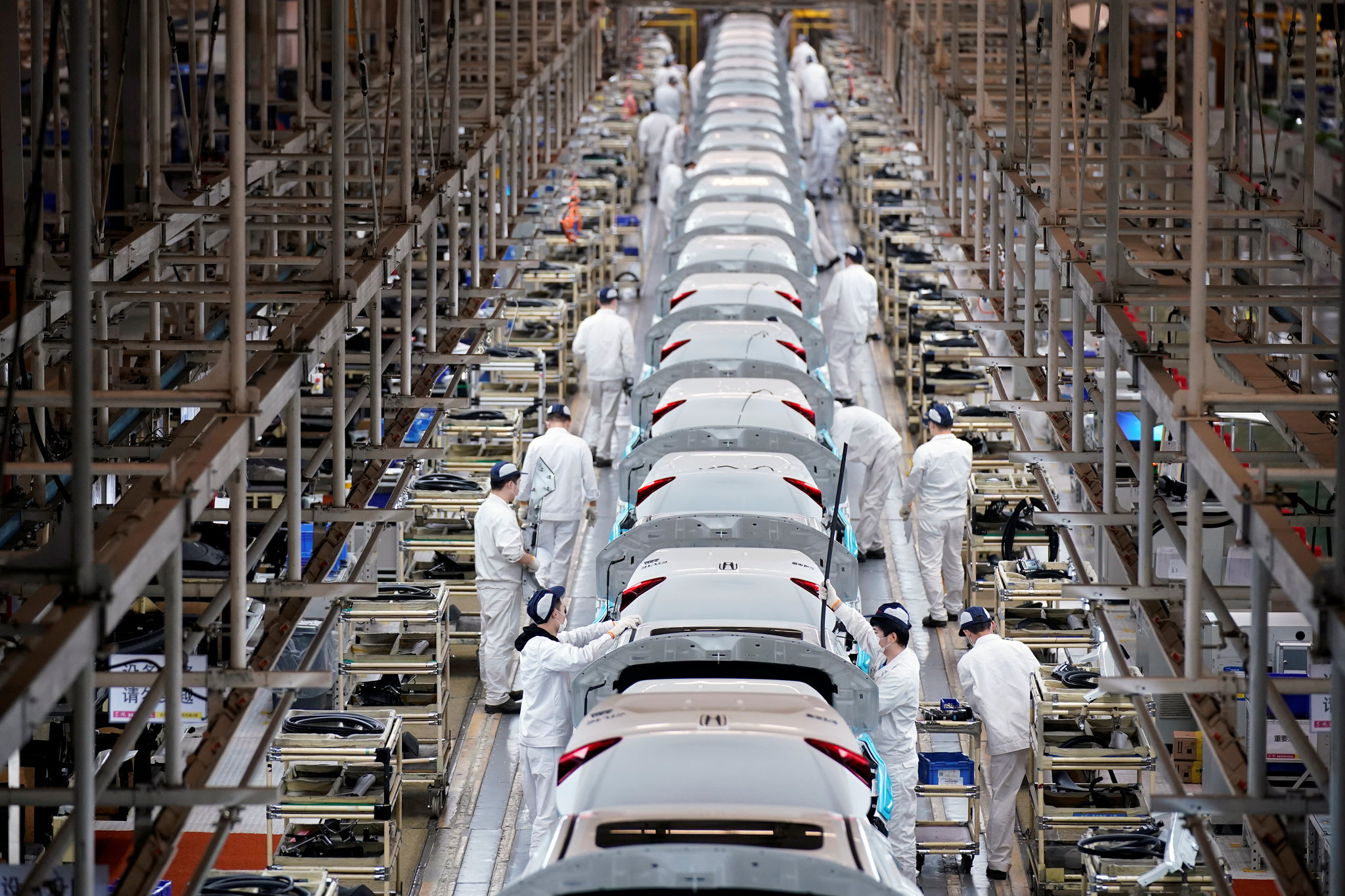
    Like the USA in the mid-19th century, or Japan and South Korea in the mid-20th century, China used high import tariffs to build up its industrial base. Right up to the 1990s, China’s average tariff was over 30%. Chang admits that China has been more welcoming to foreign investment than Japan or South Korea were, but China still imposed foreign ownership ceilings and local content requirements that demanded that foreign firms should buy a certain proportion of their inputs from local suppliers.


    Contrary to the liberalisation theory and the hands-off-by-the-state sermons preached to Africa, China has used heavy state intervention and an enlightened state-owned enterprise (SoE) strategy to grow its economy to a point where it is now an economic superpower vying for global domination with the more established economies like America’s. In the past, all Chinese industrial enterprises were owned by the state, but today, the SoE sector accounts for 40% of industrial output.


    France

    After the Second World War, the French government acknowledged that its conservative, hands-off policies had been partly responsible for its relative economic decline, and thus defeats in two world wars. To stem the tide, the French state decided to take a much more active role in the economy. It launched “indicative” planning and took over key industries through nationalisation, and channeled investment into strategic industries through state-owned banks.


    To help its new industries to grow, the government imposed industrial tariffs and maintained them at a relatively high level until the 1960s. The strategy worked. By the 1980s, France had transformed itself into a technological leader in many areas.


    Japan

    In Japan, the Ministry of International Trade and Industry orchestrated an industrial development programme that has now become legendary. The country’s industrial tariffs were not particularly high after the Second World War, but imports were tightly controlled through government measures restricting the use of foreign exchange.


    “Exports were promoted in order to maximise the supply of foreign currency needed to buy better technology (either by buying machinery or by paying for technology licences),” says Chang. “This involved direct and indirect subsidies as well as information and marketing help from the Japan External Trade Organisation, the state trading agency.


    The government also put subsidised credits into key sectors through its “directed credit programme” while heavily regulating foreign investment by transnational corporations. Foreign investment was simply banned in most key industries. Even when it was allowed, there were strict ceilings on foreign ownership, usually a maximum of 49%. This brings into focus Zimbabwe’s now abandoned indigenisation policy which sought to limit foreign ownership of companies to a maximum 49%, with the remaining 51% going to indigenous entrepreneurs.


    As Chang snows, foreign companies in Japan were required to transfer technology and buy specified proportions of their inputs locally. The government regulated the inflow of technologies, to make sure that overly obsolete or over-priced technologies were not imported.


    Finland, Norway, Italy, Austria

    Finland, Norway, Italy, and Austria were all relatively economically backward at the end of the Second World War and saw the need for rapid industrial development, says Chang. Basically, they all used strategies similar to those used by France and Japan to promote their industries.


    All of them had relatively high tariffs until the 1960s. They all also actively used state-owned enterprises to upgrade their industries. This was particularly successful in Finland and Norway.


    Also, the governments of Austria, Finland and Norway were very much involved in directing the flow of credit to strategic industries. Finland, especially, heavily controlled foreign investment while in many parts of Italy, local governments provided support for marketing and Research and Development (R&D) to small and medium-sized firms in their localities.


    “In Finland”, Chang says, “it took Nokia 17 years to earn any profit from its electronics subsidiary, which [by 2011 had become] the largest mobile phone company in the world. If Finland had liberalised foreign investments from early on, Nokia would not be what it is today.”


    United States of America

    America’s trade policy recommendations to the developing world today stand in sharp contrast to what it did itself when it was a British colony and as a young, independent country. According to Chang, the USA had a terrible record in its dealings with foreign investors.


    From its earliest days of economic development right up to the First World War, the USA was the world’s largest importer of foreign capital, but there was considerable concern in the country over absentee management of foreign investors. “Reflecting such sentiment, the US federal government strongly regulated foreign investment.” Chang reports. “Non-resident shareholders could not vote and only American citizens could become directors in a national (as opposed to state-level) bank.”


    This meant that foreigners and foreign financial institutions could only buy shares in US national banks if they were prepared to have American citizens as their representatives on the board of directors, thus discouraging foreign investment in the banking sector.


    There were also strict regulations on foreign investment in natural resource industries. Many state governments barred or restricted investment by non-resident foreigners in land. Then the 1887 federal Alien Property Act was enacted to prohibit the ownership of land by foreigners – or by companies more than 20% owned by foreigners – in the “territories” (as opposed to the fully-ledged states) where land speculation was particularly rampant.


    Federal mining laws also restricted mining rights to non-US citizens and companies incorporated in the USA. In 1878, a timber law was also brought in, permitting only US residents to log on public land.


    “Yet,” says Chang, “despite all these excessive, and often strict, controls on foreign investment, the USA was yet the largest recipient of foreign investment throughout the 19th century and the early 20th century – in the same way that strict regulation of transnational corporations in China has not prevented a large amount of foreign direct investment from pouring into that country in recent decades. This flies in the face of the belief that foreign investment regulation is bound to reduce investment flows.”


    Singapore

    The economic prowess of the island city-state of Singapore is trumpeted as a victory for liberal, free market ideas. But even in Singapore, state intervention is not too far away. For example, Singapore Airlines, one of the world’s best, is a state-owned enterprise, 57% controlled by Temasek, the holding company whose sole shareholder is Singapore’s Ministry of Finance.


    “Virtually all land in Singapore is publicly owned, and around 85% of housing is provided by the government’s Housing Development Board,” says Chang. “The Economic Development Board also develops industrial estates, incubates new firms, and provides business consulting services.”


    In fact, Singapore’s state-owned enterprises sector is twice as big as that of South Korea, when measured in terms of its contribution to national output.


    Taiwan

    One of the economic successes of the past 60 years, Taiwan’s experience with state-owned enterprises has been even more remarkable. Taiwan’s official economic ideology is based on the “Three People’s Principles of Dr Sun Yat-Sen, the founder of the Nationalist Party (Koumintang) that engineered the Taiwanese economic miracle. These principles dictate that the key industries should be owned by the state. Accordingly, Taiwan has had a very large state-owned enterprises sector.


    For Africa, whose governments are often told or advised to keep their hands off the economy (“private sector development” is the engine of growth), the above should provide ample food for thought.


  • The South Korean economic miracle, a lesson for Africa

    The South Korean economic miracle, a lesson for Africa

    Neo-liberal economists will tell you that South Korea’s rise as an industrial powerhouse is because it followed free market ideas. Not so, says Prof Ha-Joon Chang, the South Korean economist. Nevertheless, his home country’s experience has valuable lessons for Africa. Osei Boateng reports.

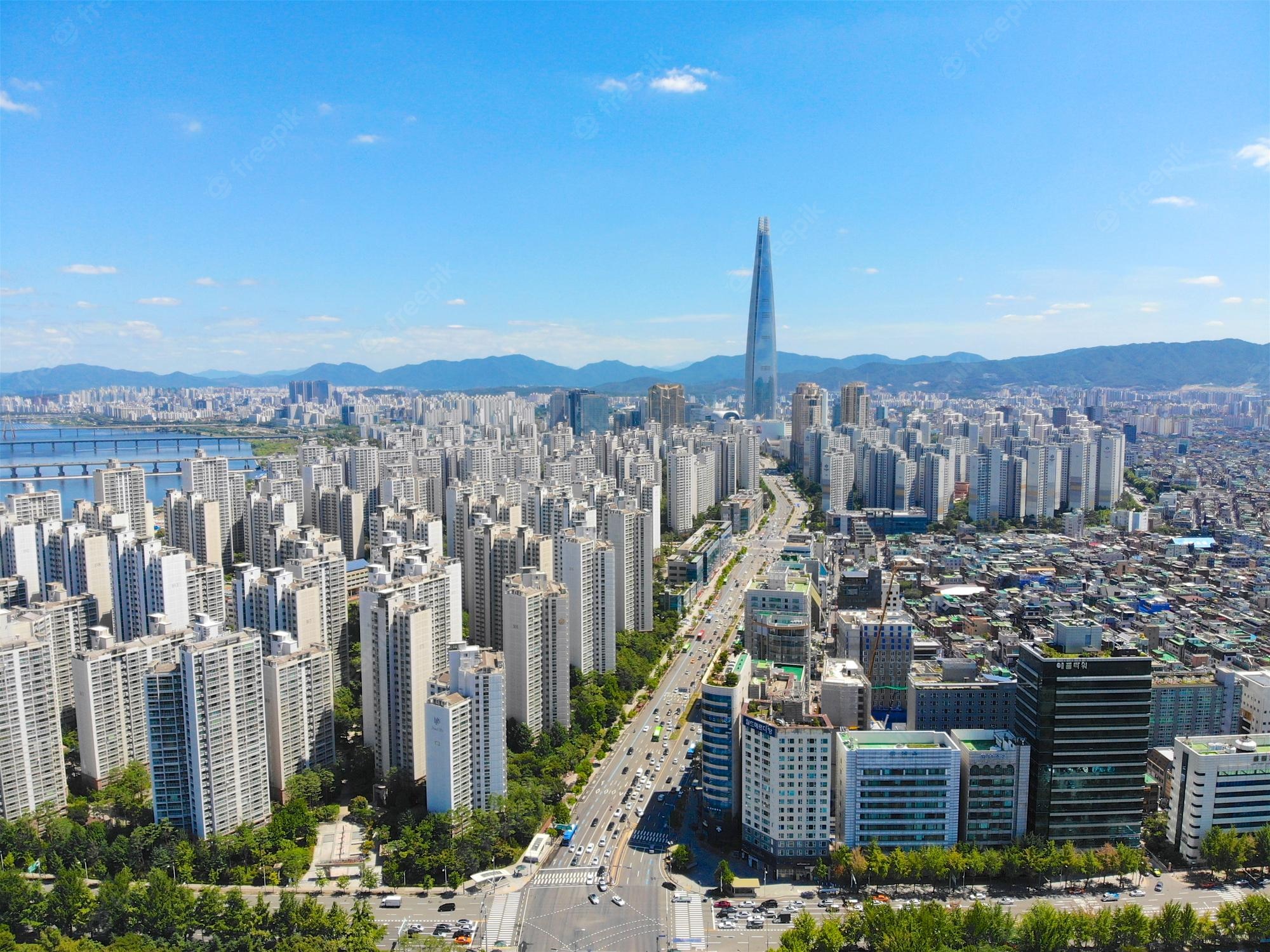
    In 1961, eight years after the war with North Korea, South Korea’s per capita income stood at $82, less than half of Ghana’s at the time ($179). During the war – one of the bloodiest in human history (an estimated four million people were killed in just over three years, 1950-1953) – half of South Korea’s manufacturing base was destroyed.

    It was no surprise, therefore, that an internal USAID report in the 1950s described South Korea as a “bottomless pit”. At the time, the country’s main exports were tungsten, fish and other primary commodities.


    Today, South Korea is an industrial powerhouse, with a per capital income in five figures. As Chang says: “It took the UK over two centuries (between the late 18th century and today) and the USA around one-and-a-half centuries (from the 1860s to the present) to achieve the same result. Korea’s progress is as if Haiti has turned into Switzerland. How has this ‘miracle’ been possible?”


    Most analyses of South Korea’s rise, including Chang’s, ignore the vital fact that the country was one of the nations selected by the USA – in a chain extending all the way down from Finland, Sweden, Norway and Germany to Taiwan, Japan, etc – that were given economic, military and political help to grow into economic giants in order to act as a cordon sanitaire against the spread of communism. Nobody should forget that.


    Having said that, the South Koreans still had to pull up their socks and make the “miracle” happen. Chang recalls how General Park Chung-Hee, the father of South Korea’s miracle, came to power in a military coup in 1961 and won three successive elections after exchanging his military uniform for civilian clothes.


    Not democratic in the true sense of the word, Gen Park propelled the country’s success via his Five-year Plans for Economic Development. Halfway through this third term, which was due to end in 1974, he staged an “auto coup” against his own government, dissolved parliament, and guaranteed himself the presidency for life.


    “His excuse,” Chang recalls, “was that the country could ill-afford the chaos of democracy. It had to defend itself against North Korean communism and accelerate its economic development. His proclaimed goal of raising the country’s per capita income to US$1,000 by 1981 was considered overly ambitious, bordering on delusion.”


    But he was unfazed. In 1973, he launched a Heavy and Chemical Industrialisation Programme, which was also ambitious in its aims, but under which the first steel mill, the first modern shipyard, and the first locally-designed car (made mostly from imported parts) were built.


    “New firms were set up in electronics, machinery, chemicals, and other advanced industries,” Chang remembers. “During this period, the country’s per capita income grew phenomenally by more than five times, in US dollar terms, between 1972 and 1979. Gen Park’s apparently delusional goal of $1,000 per capita income by 1981 was actually achieved four years ahead of schedule. Exports grew even faster, increasing nine times, in US dollar terms, between 1972 and 1979.”


    According to Chang: “The country’s obsession with economic development was fully reflected in our education. We learned that it was our patriotic duty to report anyone seen smoking foreign cigarettes. The country needed to use every bit of the foreign exchange earned from its exports in order to import machines and other inputs to develop better industries. Valuable foreign currencies were really the blood and sweat of our ‘industrial soldiers’ fighting the export war in the country’s factories. Those squandering them on frivolous things, like illegal foreign cigarettes, were ‘traitors.’”


    Imagine any African country doing that? It would be promptly charged with enacting ‘draconian laws” to restrict the freedom of its citizens. The president of such a country would be called all sorts of names, and the official opposition would be funded by Western governments and their allied institutions to overthrow (the terminology in fact is “win an election” against) such a president. The citizens of such a country, themselves, would in fact not agree to be subjected to such “draconian laws”.


    But South Korea went even further than that. “Spending foreign exchange on anything not essential for industrial development was prohibited or strongly discouraged through import bans, high tariffs, and excise taxes (which were called luxury consumption taxes),” says Chang. “Luxury items included even relatively simple things like small cars, whisky or cookies …


    “Foreign travel was banned unless you had explicit government permission to do business or study abroad. As a result, despite having quite a few relatives living in the USA, I had never been outside Korea until I travelled to Cambridge at the age of 23 to start as a graduate student there in 1986,” Chang recounts.


    But wait for this: Like the strict rules of currency transactions in Europe under the Marshall Plan, the South Korean government took absolute control over the country’s then scarce foreign exchange. Chang recalls that the violation of the foreign exchange controls could be punished by the death penalty!


    “When combined with a carefully designed list of priorities in the use of foreign exchange, it ensured that hard-earned foreign currencies were used for importing vital machinery and industrial inputs,” Chang adds.


    Today, looking at South Korea’s deep pockets and the neon lights of the capital, Seoul, neo-liberal economists thump their chests and say the country has succeeded because it followed free market ideas – ie, the principles of sound money (low inflation), small government, private enterprise, free trade, and friendliness towards foreign investment.


    But this is far from the truth. “The reality,” Chang insists, “was very different indeed. What Korea actually did during these decades was to nurture certain new industries, selected by the government in consultation with the private sector, through tariff protection, subsidies and other forms of government support (eg, overseas marketing information services provided by the state export agency) until they ‘grew up’ enough to withstand international competition.”


    Chang goes on: “The government owned all the banks, so it could direct the lifeblood of business – credit. Some big projects were undertaken directly by the state-owned enterprises – the steel maker, POSCO, being the best example – although the country had a pragmatic, rather than ideological, attitude to the issue of state ownership.


    “If private enterprises worked well, that was fine; if they did not invest in important areas, the government had no qualms about setting up state-owned enterprises; and if some private enterprises were mismanaged, the government often took them over, restructured them, and usually (but not always) sold them off again.”


    Chang narrates how the government also took foreign investment under its wing and heavily controlled it with a mixture of measures. In general, the government welcomed foreign investment with open arms in certain sectors and shut it out completely in others, in line with the dictates of the national plan at any one time.


    Reverse engineering – where South Korean companies stripped down a foreign product and copied it – was actively encouraged by the government, which generally had a lax attitude towards foreign patents and the pirating of patented products from advanced countries.


    Says Chang: “The popular impression of [South] Korea as a free-trade economy was created by its export success.  But export success does not require free trade, as Japan and China have also shown … The Korean economic miracle was the result of a clever and pragmatic mixture of market incentives and state direction.


    “The government did not vanquish the market as the communist states did. However, it did not have blind faith in the free market either. While it took markets seriously, the Korean strategy recognised that they often need to be corrected through policy intervention.”


    Any lessons for Africa?


  • The Marshall Plan’s main focus was the re-industrialisation of Europe

    The Marshall Plan’s main focus was the re-industrialisation of Europe

    Contrary to popular belief, re-industrialisation of Europe was the main focus of the Marshall Plan, using the traditional toolbox, including heavy protection of manufacturing industry.

    The Marshall Plan was not a simple programme for transferring massive sums of money to struggling countries, but an explicit – and eventually successful – attempt to re-industrialise Europe, say Prof Erik Reinert and Prof Ha-Joon Chang. It follows that if Africa really wants economic prosperity, it should study and draw valuable lessons from the Marshall Plan’s dark twin, the Morgenthau Plan, implemented in Germany in 1945.


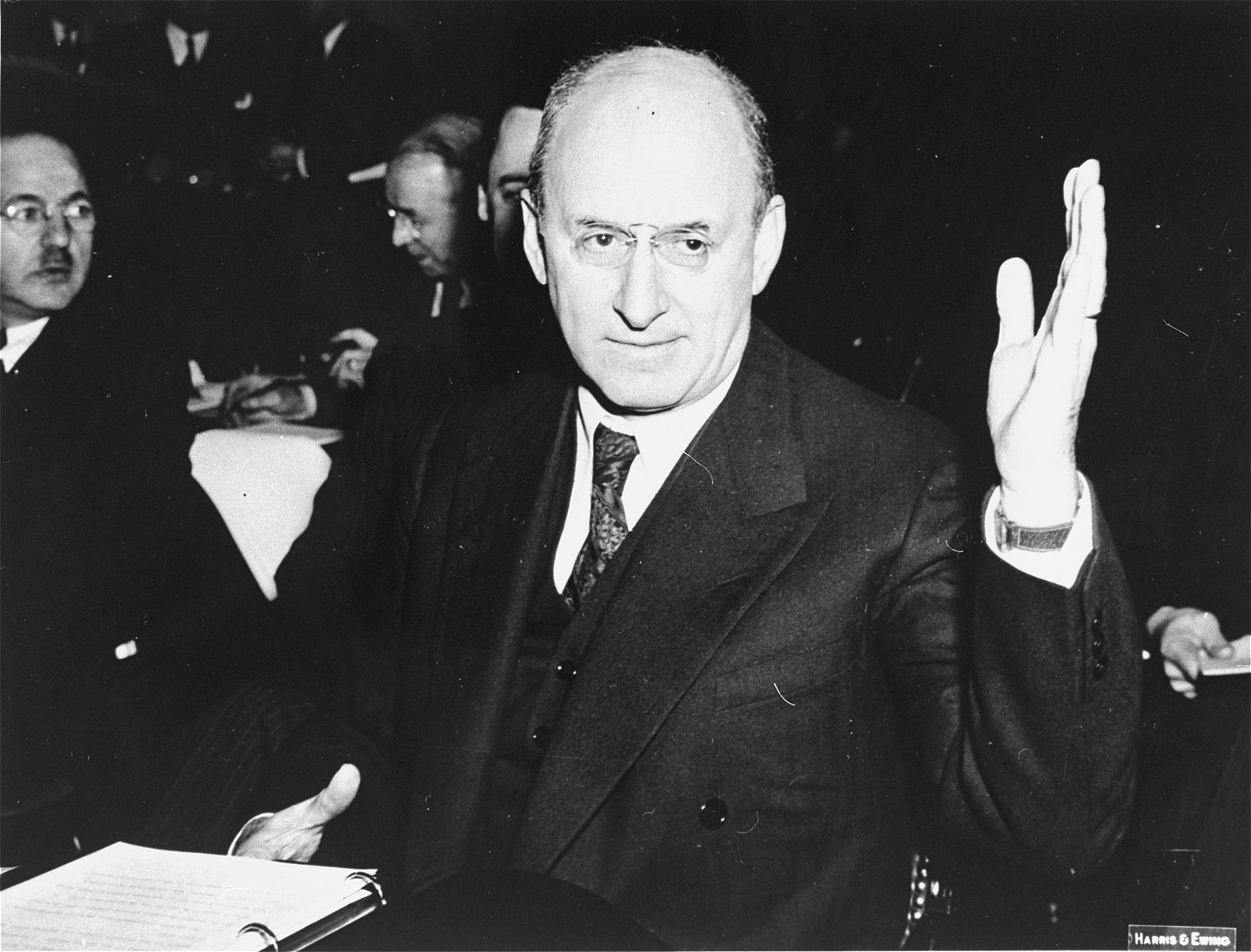
    Reinert tells the story better: When it was clear that the Allies would win the Second World War, Reinert narrates, the question of what to do with Germany, which in three decades had precipitated two world wars, reared its head. Henry Morgenthau Jr, the US treasury secretary from 1934 to 1945, formulated a plan to keep Germany from ever again threatening world peace.

    Germany, Morgenthau argued, had to be entirely de-industrialised and turned into an agricultural nation. (Africa should take serious note here). All industrial equipment was to be removed or destroyed, and mines were to be flooded with water or concrete. This programme was approved by the Allies during a meeting in Canada in late 1943, and was immediately implemented when Germany capitulated in 1945.

    During 1946 and 1947, however, it became clear that the Morgenthau Plan was causing serious economic problems in Germany: de-industrialisation caused agricultural productivity to plummet. This was indeed an interesting experiment.

    The mechanisms of synergy between industry and agriculture, so key to Enlightenment economists, also worked in reverse: killing industry reduced the productivity of the agricultural sector. Many of those who had lost their jobs in industry returned to the farm, and the Biblical mechanisms of diminishing returns became the dominating mechanisms in the economy.

    The former US president, Herbert Hoover, who at the time played the role of the old and wise statesman, was sent to Germany with orders to report to Washington what the problem was. His investigation took place in early 1947, and he wrote three reports. In the last, dated 18 March 1947, Hoover concluded: “There is the illusion that the New Germany left after the annexations can be reduced to a ‘pastoral state’. It cannot be done unless we exterminate or move 25,000,000 out of it.”

    Observing the dark consequences of de-industrialisation, Hoover had reinvented the old mercantilist theory of population: an industrial state can feed and maintain a far larger population than an agricultural state occupying the same territory. In other words, industry greatly increases a country’s ability to sustain a large population. The fact that famines only occur in countries specialising in agriculture underlies the power of industry, of the division of labour, and of the importance of the intersectorial synergies that create and maintain welfare.

    Less than three months after Hoover submitted his report, the Morgenthau Plan was silently buried. The Marshall Plan [named after the former chief of staff of the American army, General George Cartlett Marshall] was devised to produce exactly the opposite effect, namely to re-industrialise Germany and the rest of Europe.

    The Plan was announced by Gen Marshall in a speech at Harvard University on 5 June 1947. Its details were negotiated at a meeting held in Paris, France, from 12 July 1947 onwards. Implementation was started in 1948 and ended in 1951, channeling $13 billion (equivalent to $130 billion in 2007) into the war-torn economies of Europe.

    George Catlett Marshall (1880-1959), a five-star general in 1944, was noted for his exemplary service during the Second World War. He became secretary of state and later secretary of defence, and was awarded the Nobel Peace Prize in 1953 for his role in the Marshall Plan.

    In the case of Germany, the Marshall Plan demanded that industry was to be returned to its 1936 level, which was considered the last “normal” year before the war.

    “Today’s problem,” says Reinert, “is that the dominating barter-focused economic theory fails to appreciate the difference between a Marshall Plan and a Morgenthau Plan. Politicians today abuse the concept of a Marshall Plan by using it to describe any large transfers of resources to poor countries. It cannot be emphasised strongly enough that the kernel of Marshall’s plan was re-industrialisation; the demand and supply of capital was per se entirely secondary to the principal strategy of developing the industrial life of a nation.”

    Generally, the Marshall Plan was implemented with heavy tariff protection of national industries and strict rules for currency transactions. It was fully acknowledged that jobs needed long-term protection, and that foreign exchange was a scarce resource. In Norway, for example, this resulted in a total prohibition on imports of clothing until 1956, combined with severe restrictions on the transfer of funds abroad. Importing cars for private use was prohibited until 1960.

    According to Reinert: “During the 1950s and 1960s, when the nations bordering communism were so successfully industrialised, the United States knew very well how to make poor nations rich: they employed their own 19th century strategy.  How come the United States no longer understand the link between industrialisation and ‘civilisation’ perceived so clearly from George Washington to George Marshall?

    “How come the West, instead of contributing to produce world welfare – as the USA did after the Second World War – now stages terrible carnage in futile attempts to bomb pre-industrial nations into democracy?

    “In my view, the process of globalisation that has taken place since the mid-1980s – but particularly since the fall of the Berlin Wall – has taken the form of a Morgenthau Plan. Weak industrial economies in [the developing] world, metaphorically ‘in transition’ – have been subjected to shock therapies, converting them literally overnight in some cases into untrammelled free trade.”

    Prof Reinert concludes by saying matter-of-factly: “Globalisation has become the new process of ‘colonisation’ through what is a de facto Morgenthau Plan: a colony, now as five centuries ago, is fundamentally a country that is only allowed to produce raw materials.”


  • Free trade is a deceit

    Free trade is a deceit

    … Here is why Africa should not fall for it


    The Norwegian economist, Prof Erik S. Reinert, and the South Korean economist, Prof Ha-Joon Chang, have provided the reasons why Africa should not do what the industrialised West and the Bretton Woods institutions tell them to open their economies and infant industries to free trade. Rather, Africa should do what the rich countries did: use high tariffs to protect their fragile infant industries until they are strong enough to compete globally.

    Prof Erik Reinert and Prof Ha-Joon Chang are in perfect agreement that wealthy nations tend to force upon poor nations theories they themselves never have followed and probably never will. Throughout their books, the two economists provide incontrovertible evidence that today’s rich countries got rich because for decades, often centuries, their ruling elites set up, subsidised, and protected dynamic industries and services, as national policy. They did not leave anything to chance as African tends to do.

    In what the German economist, Friedrich List, described as “kicking away the ladder”, Britain and the other nations that emulated Britain and got rich, started preaching free trade to other countries while having achieved their economic supremacy through high tariffs and extensive subsidies.

    “It is a very common clever device,” List said, “that when anyone has attained the summit of greatness, he kicks away the ladder by which he has climbed up, in order to deprive others of the means of climbing up after him.”

    In urging Africa and the other developing countries not to forget List’s words, Prof Chang emphasises the point that: “Today the history of capitalism has been so totally rewritten that many people in the rich world do not perceive the historical double standards involved in recommending free trade and [the] free market to developing countries … Britain and the US are not the homes of free trade; in fact, for a long time they were the most protectionist countries in the world.

    “In other words, Britain adopted free trade only when it had acquired a technological lead over its competitors behind high and long-lasting tariff barriers.  Not all countries have succeeded through protection and subsidies, but few without them … The best performing economies have been those that opened up selectively and gradually [because] free trade reduces freedom of choice for poor countries.”

    Words of economic wisdom

    Below are other words of wisdom, from Reinert and Chang, that Africa must quickly assimilate.

    *   During the first period of globalisation – from the 1840s to the outbreak of the First World War (1914) – the rich countries became ever more industrialised while the [developing world] remained technologically underdeveloped. It was this first wave of globalisation that seriously dug the ditch dividing rich and poor countries in a process in which the colonies, as the practice had been for centuries, were not allowed to industrialise.


    *   As long as the latest wave of globalisation builds on the same principles as the first – in other words, as long as poor countries continue to specialise in the production of raw materials – it cannot achieve more than the first one did: an increase in the difference between rich and poor, even though some new countries may join the rich.”


    *   Continental Europe was not fooled by English attempts to remain the only industrialised nation in the world in the 19th century – by their vision of a global economic harmony where the rest of the world produced raw materials to exchange for English industrial goods.


    *   The rest of Europe and overseas countries with large populations of European emigrants – the USA, Canada, Australia, New Zealand, South Africa – followed the same policy England itself had followed since the end of the 15th century: a relatively high tariff protection to encourage industrialisation.


    *    In spite of its natural protection through high transportation costs, the USA chose to build its enormous steel industry behind tariff walls of up to 100%. Although the majority of immigrants in the USA may have been farmers, the farmers were the chief beneficiaries of the existence of an industrial sector, as Abraham Lincoln noted: “I cannot tell the reason … but high tariffs will make everything the farmers buy cheaper.”


    *   The European countries and all those rich countries who came after them became rich in exactly the same way, through policies steering them away from raw material production and diminishing returns activities into manufacturing, where the opposite laws tend to operate. They also used high tariffs to protect their fragile infant industries until they were strong enough to compete globally. “But today,” Reinert says, “we have a dominant economic theory which says those distributional problems will not happen. Although now repackaged, the myth of the bartering dogs is still at the heart of how mainstream economics understands the world economy.”


    *   But in the 1840s, “the great debate over economic policy,” Reinert remembers, “was not whether one should protect industry – almost everybody agreed to that – but how much this should be done. Today, the frail industry of the [developing] world is being suffocated by the same free trade Norway [and the other nations] were able to defend themselves against for a century.”


    *   Reinert tells the disconcerting story of how while the USA and Europe were still protecting their industries, China and Japan were forced, with the help of military threats and power, to sign treaties where they agreed not to protect theirs. “For a while, China and Japan became, economically, virtual colonies,” Reinert recalls. “In Japanese and Chinese history books, these ‘unfair treaties’ retain an importance and are still regarded with indignation.”


    *   Continuing, Reinert says: “The foundation for colonialism – that it is morally defensible to keep countries as producers of raw materials only – is found in the economic theory of David Ricardo [the influential British economist and politician, born 1772, died 1823]. Before Ricardo, economists largely agreed that colonies were consciously made poorer.

    But the most important German economist of the 18th century, Johann Henrich Gottlob von Justi, was of the opinion that the colonies would soon realise that they were being cheated, and rebel to obtain their own industries. In the case of the USA, which rebelled and liberated itself from England in 1776, Justi was right.”


    The African experience

    *  “Small African industrial markets are not integrated into a larger market that might have industrialised Africa,” says Reinert. “Instead, industrial Africa is increasingly fragmented, and while some countries are better off than others, each market is relatively open to the killing competition from the North. To believe that these conditions can be improved by letting poor countries export their agricultural products to the industrialised countries is an illusion. No country without an industrial sector has ever managed to raise the wage level of its farmers.”


    *   Reinert, the Norwegian, continues: “It is interesting that even a country like Norway, so long a kind of colony itself and with several current initiatives aimed at making the world a better place, has ‘forgotten’ the strategy we fought for; to obtain industry and economic growth. We have forgotten that central to our own nation-building, there was an industrial policy which was the opposite of the principles we today force on the [developing] world.


    *   “After the Second World War, the Labour government [in Norway], aided by the Marshall Plan, reindustrialised Norway extremely successfully. Today’s government, led by the same Labour party, makes a point of prohibiting the same policies for others that made us rich. Yet we have ambitions to be champions of palliative economics, in relieving the symptoms of poverty.”


    *   Reinert cites Antonio Serra, the 17th century Italian economist, the first one to produce a theory of uneven economic development, explaining why “his hometown of Naples remained so poor in spite of its bountiful natural resources, while Venice, precariously built on a swamp, was at the very centre of the world’s economy. The key, Serra argued, was that Venetians, barred from cultivating the land because of the swamps, had been forced to rely on their industry to make a living, harnessing the increasing returns offered by manufacturing activities. Paradoxically,” Reinert says, “this suggests that being poor in natural resources could be a key to becoming wealthy.”


    *   Colonialism, Reinert says, was a system that sought to prevent the type of wealth creation in the colonies that had made Britain and Europe rich. “Even today the same thinking permeates the policy directions of the rich countries and the multilateral institutions they control.”


    USA today

    *   Reinert continues: “Looking at how the USA today leads in the rhetoric of globalisation, the similarity to the role played by England in the 19th century is striking. It is particularly interesting to note that the USA then fought long and hard against the economic theories and policies that today they vehemently support … The type of economic understanding employed by the presently wealthy countries during the transition from poor to rich has been lost. To a large extent, the Americans have had their own history hidden from them under a veil of rhetoric and ideology.”


    *   “Thus, 60 odd years ago, [now 78 years in 2022], the USA was using all its power to contest the economic theory that says all countries could become wealthy no matter what they produced … From 1776 to the Second World War, American economic practice in fact constituted a prolonged war against the economic theories which they today force on the developing world.”


    *   Emulation has been key to the economic success of all the nations that have transited from poverty to wealth. History shows that not one of them, not even one – invented a new wheel on the way from poverty to wealth. They all followed the same toolbox of economic emulation and development that Britain had put in place since 1485, during the reign of King Henry VII when Britain decided to emulate the economic successes of the city-state of Florence in Italy and the Dutch Republic in today’s Netherlands.


    *   “Between raw materials and the finished product,” Prof Reinert explains, “lies a multiplier: an industrial process demanding and creating knowledge, mechanisation, technology, division of labour, increasing returns and, above all, employment for the masses of under-employed and unemployed that always characterises poor countries.


    *   “In the 1700s, it was a rule of thumb developed for economic policy in bilateral trade, a rule that rapidly spread throughout Europe, that when a country exported raw materials and imported industrial goods, this was considered bad trade. When the same country imported raw materials and exported industrial goods, this was considered good trade.” The same principles, Prof Chang adds, were applied in Japan, Taiwan and South Korea in the second half of the 20th century.


    *   In 1841, Friedrich List, the German economist, sounded the knell for the defeated manufacturers of Florence, Venice and the Dutch Republic: “For several hundred years,” he wrote, “England’s economic policy was based on a simple rule: import of raw materials and export of industrial products. To be wealthy, countries like England and France would have to emulate and copy the economic structures of Venice and Holland…”


    *   In effect, Prof Reinert says “what Enlightenment economists called emulation, rather than ‘comparative advantage’ and ‘free trade’ lies at the heart of successful development. In this context, emulation means imitating in order to equal or excel.”


    Emulate, emulate, emulate

    *   Prof Reinert is adamant that contrary to popular opinion, re-industrialistion of Europe was the main focus of the Marshall Plan, developed by the USA using the traditional toolbox, including heavy protection of manufacturing industries, to rebuilt Europe after the Second World War,


    *   According to Reinert: The Marshall Plan was not a simple programme of transferring massive sums of money to struggling countries, but an explicit – and eventually successful – attempt to reindustrialise Europe.

    “When it was important to build a defence line to protect Asia and Europe from the communist threat, the United States understood that the way to create wealth was to industrialise the nations bordering communism – from Norway and Germany to South Korea, Japan and Taiwan – and to support the project wholeheartedly economically, politically and militarily.  Once the communist threat had dissolved, the developed countries rapidly started applying a policy that had the opposite effect in poor countries, a type of economic policy that resembled old British colonial policy at its worst.”


    *   Today, Reinert goes on: “We have collectively forgotten how to create wealthy nations – an art that was successfully employed as recently as 50 years ago – and so our responses to the challenges of poverty today, however well-intentioned, amount to an attack on the symptoms of poverty rather than its deep causes.


    *   “After the Second World War,” Reinert says, “the world understood that economic development was the result of synergies and increasing returns. Combined with the political threat of communism, this understanding made it possible to overrule the free trade ideologies in Washington and re-industrialise Europe and parts of Asia. In order to restart growth, it is necessary to reinvent this type of theory.”


    The gospel according to Reinert

    Below are Reinert’s invaluable words and advice:

    *   “Economic development involves profound qualitative change, not only of the economy, but also of society. Reducing economic development to little more than capital accumulation and more efficient resource allocation has become a formula for perpetuating economic backwardness in many poor countries.


    *   “We must move away from a theory which poses economic harmony as an automatic outcome of divinely or mathematically premeditated harmony, and move back to one in which economic harmony is a product of conscious policies… Rather than seeking to ‘remove the obstacles’ to prosperity, development must be seen for what it has always been: the outcome of conscious and deliberate policy.


    *   “The English economist, David Ricardo’s trade theory, dating from 1817, has become the linchpin of the world economic order. Even though we can see that free trade in some contexts makes people poorer, Western governments are still complacent insisting on it and are offering more aid as an incentive for accepting it.


    *   “Thus, the good intentions of those who call for more aid obscure the folly of the current economic orthodoxy as it is carried out in real policies. In this way, the dogma of global free trade survives, while idealism and generosity act to cover up a surreal and sometimes even criminal and corrupt reality.


    *   “Today we have totally dismissed the idea that a strategy of emulation was a mandatory passage point for all nations that are presently rich: we have outlawed the key tools needed for emulation.


    *   “With its stated confidence in comparative advantage as a solution to the problems of the poor, the Washington Consensus has flatly prohibited the toolbox of emulation, a toolbox we argue can demonstrate an impressive track-record of success over 500 years, from the late 1400s to the Marshall Plan of the 1950s and 1960s.


    *   “In comparison to the free trade that is forced on poor countries, rich countries restrict imports of agricultural products from the [developing] world and subsidise their own agriculture. Intuitively, the highest priority is put on rectifying these unfair practices, but the removal of agricultural tariffs is a longstanding weapon in the colonial armoury.


    *   “It is natural that people who observe backward agriculture in Africa wish to help Africa by making that agriculture more efficient. Enlightenment philosopher and economist David Hume, however, suggested that the best way to improve agriculture is through the roundabout way of first improving manufacturing industry – and we now have half a millennium of historical data to back up Hume’s insight.


    *   “A deal should be struck by which the [industrialised] world is allowed to protect its own agriculture, while the [developing] world is allowed to protect its manufacturing and advanced service sectors. This is the only policy that can be consistent with successful development policy over the last 500 years.


    *   “The main difference between rich and poor countries is that rich countries have all moved through a stage without free trade, which – when successful – subsequently made free trade desirable. This mandatory passage point in the history of all presently developed countries – allowing poor countries to emulate the economic structures of rich countries – is currently outlawed. Markets will not magically eradicate poverty any more than they will magically address the problems posed by global warming and environmental degradation.”