Comparing Amenemope and Solomon
… One example of the borrowing
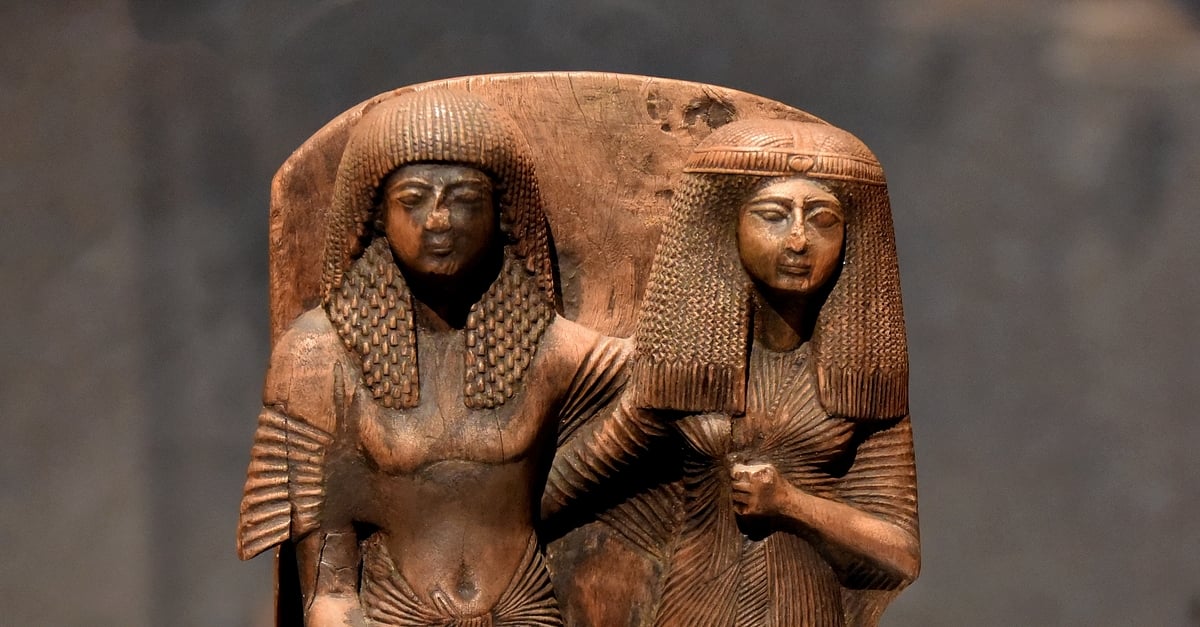
Amenemope was an Ancient Egyptian sage of the New Kingdom who wrote one of the longest collection of proverbs (moral instructions) in history. He lived about 600 years before the Israelite King Solomon who is credited to have written the Bible’s Book of Proverbs.
Since the German Egyptologist Adolph Erman first made the comparison between Amenemope’s Instructions and Solomon’s Book of Proverbs, scholars are increasingly looking at possible evidence of considerable Israelite borrowings from Ancient Egyptian sources, as illustrated in the comparative works below:

Amenemope
Give thine ear and hear what I say,
and apply thy heart to apprehend
It is good for thee to place them in thine heart
Let them rest in the casket of thy belly.
Consider these thirty chapters
They instruct and delight
Knowledge how to answer him that speaketh
And how to carry back a report to one that sent it.
Beware of robbing the poor,
and of oppressing the afflicted
Ascribe who is skilful in his business
Findeth himself worthy of courtiers
Solomon
Incline thine ears and hear my words
And apply thy heart to apprehend.
It is good for thee to place them in thine belly.
Have I not written for thee sayings
Of counsels and knowledge
Knowledge how to answer him that speaketh.
Rob not the poor for he is poor,
Neither oppress the lowly in gate.
A man who is skillful in his business
shall stand before kings.
After translating and comparing several such passages, the founder and director of the University of Chicago’s Oriental Institute, Professor James Breasted, put it thus: “Our moral heritage came to us not from the Hebrews but through them.” (For further examples, see Breasted’s Dawn of Conscience, 1933).
Leave a Reply