America, Britain and their Western allies have forever been telling whoever has ears that they did not impose economic sanctions on Zimbabwe. It was only personal sanctions on individual Zimbabwean officials who were working against the growth of democracy, they say. But here, printed in full, is America’s “Zimbabwe Democracy and Economic Recovery Act”, a hypocritical piece of legislation passed by Congress in December 2001 which has had far damaging consequences on the Zimbabwean nation than people are prepared to admit. See if what is published below is about personal sanctions.

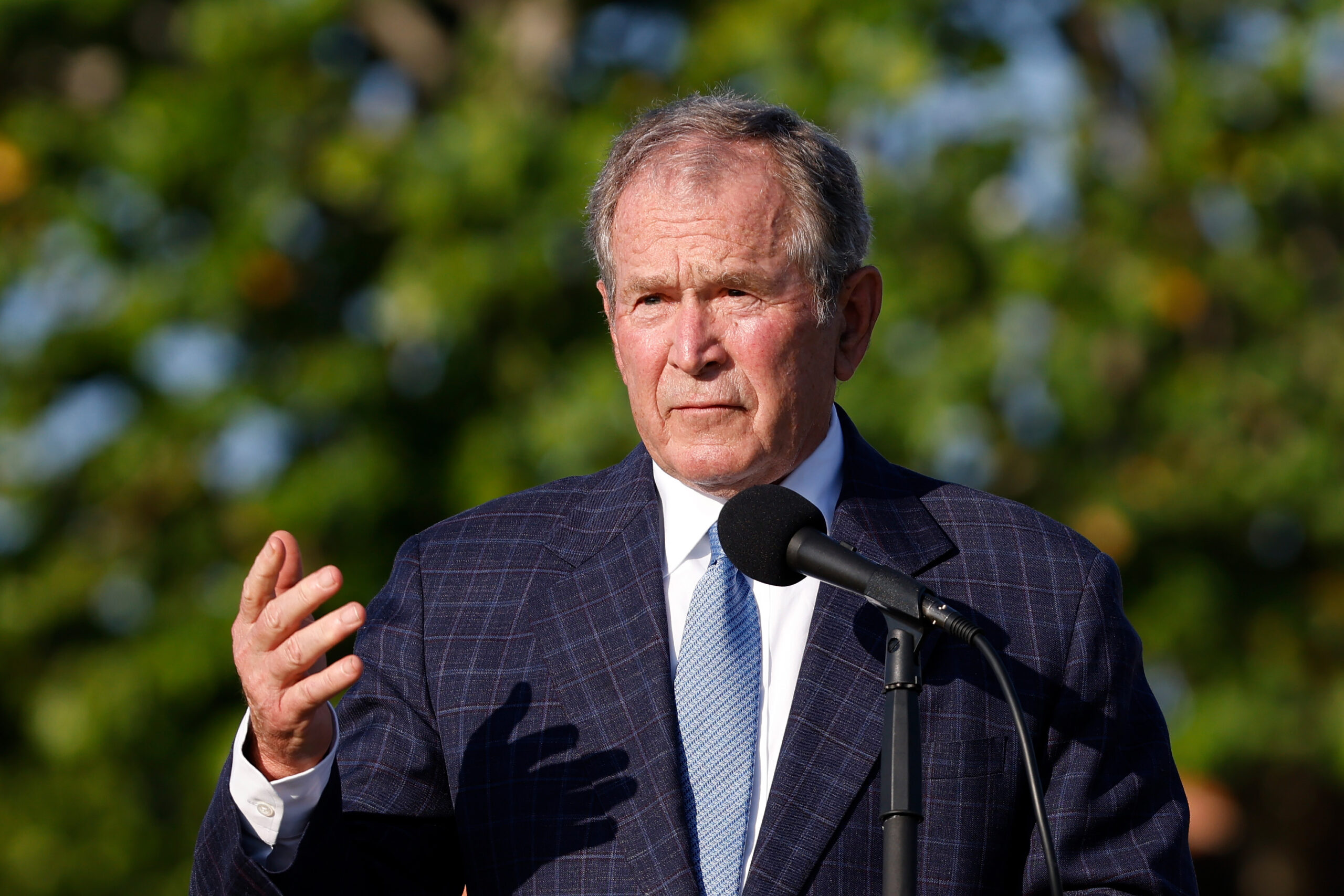
The punitive “Zimbabwe Democracy and Economic Recovery Act” (readers should not be fooled by its sweet-sounding title), was signed into law by President George W. Bush on 21 December 2001. On that day President Bush issued the following statement:
“Today, I have signed into law S.494 [‘S’ means Senate ‘law’ because it originated in the Senate], the ‘Zimbabwe Democracy and Economic Recovery Act of 2001’. This Act symbolises the clear bipartisan resolve in the United States to promoting human rights, good governance, and economic development in Africa.
“My administration shares fully the Congress’ deep concerns about the political and economic hardships visited upon Zimbabwe by that country’s leadership. I hope the provisions of this important legislation will support the people of Zimbabwe in their struggle to effect peaceful, democratic change, achieve economic growth, and restore the rule of law.
“Section 4(c) of the Act purports to direct the Executive branch to oppose and vote against the extension of loans or the cancellation of debt in international financial institutions unless and until I make a certification or national interest determination.
“I am concerned that this provision burdens my constitutional authority in the area of foreign affairs to conduct negotiations and cast votes in international organisations. I will construe the provision as being subject to my exclusive authority to negotiate or vote in international financial institutions.”
Personal sanctions?
For those who still don’t believe that America, Britain, and their Western allies have imposed, or did impose, economic sanctions on Zimbabwe, please read this paragraph again: “Section 4(c) of the Act purports to direct the Executive branch to oppose and vote against the extension of loans or the cancellation of debt in international financial institutions unless and until I make a certification or national interest determination.” Which part of this paragraph talks about “personal sanctions” imposed on individual Zimbabwean officials?
So, with this American fiat, Zimbabwe was condemned to economic suffering by the say-so of a foreign government. S.494 was partly responsible for the implosion of the Zimbabwean economy in the mid-2000s, with subsequent high inflation and severe hardship for the people.
Remarkably, the bill (which gave birth to S.494) was drafted with the help of one of Morgan Tsvangirai’s opposition MDC white parliamentarians, and was introduced in the US Congress on 8 March 2001, a year-and-a-half after Zimbabwe launched its the fast track land reform programme in January 2000.
The bill was scheduled for debate on 16 July 2001, and was passed by the Senate on 1 August 2001, and by the House of Representatives on 4 December 2001. It became law (US Public Law No.107-99) on 21 December 2001 after President Bush appended his signature to it.
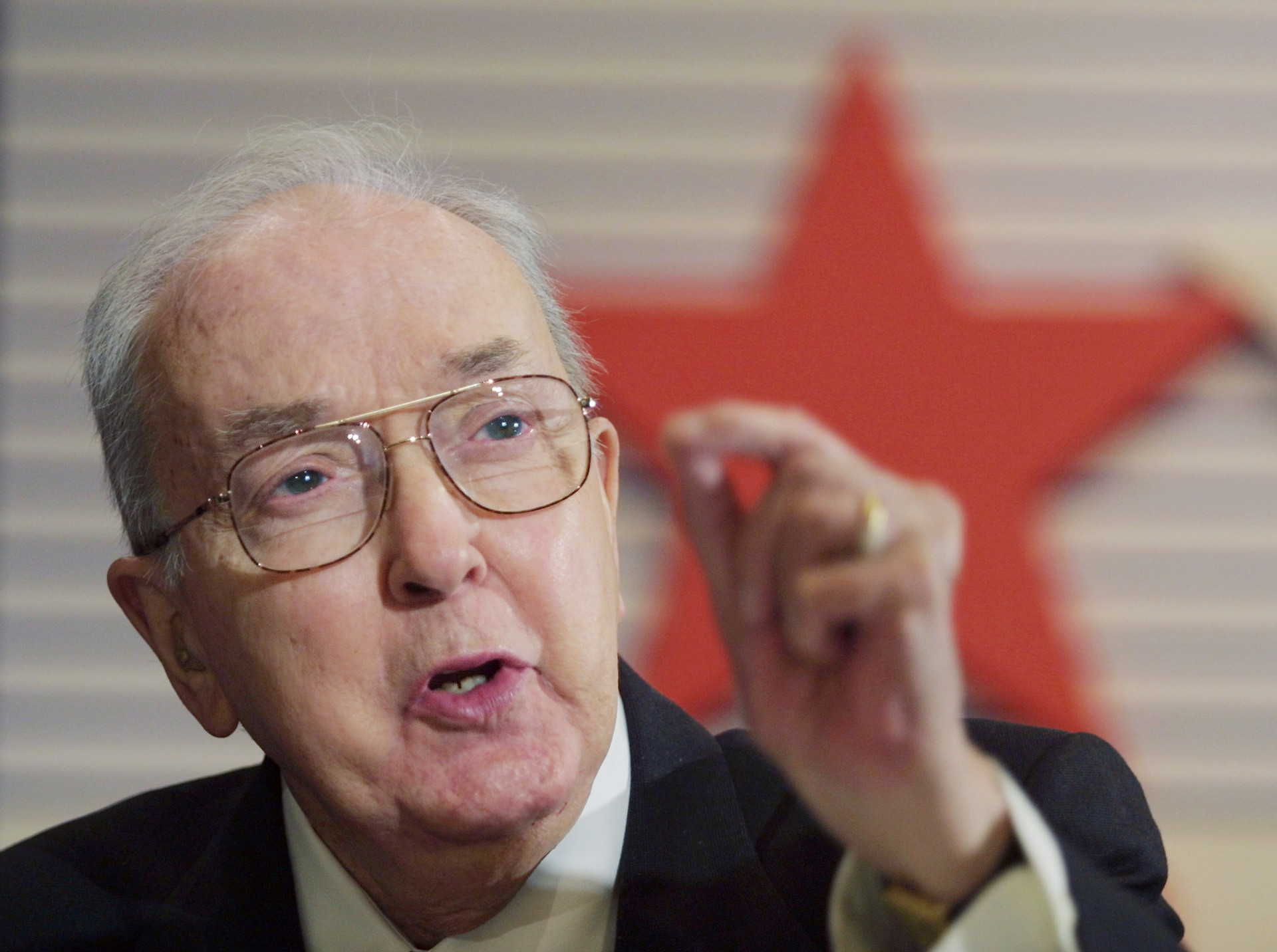
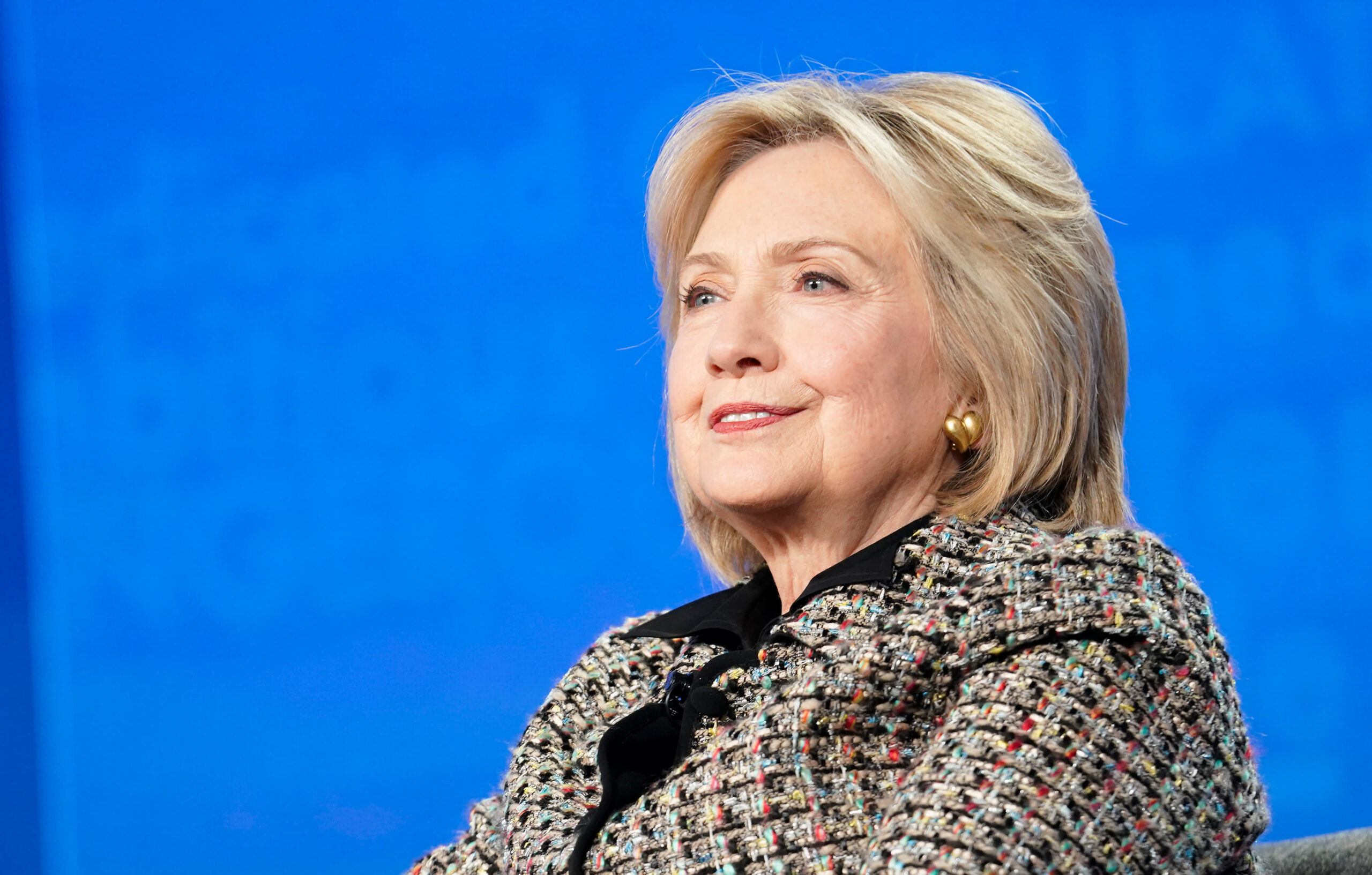
The main sponsor of the bill was the Republican senator, William H. Frist, who introduced it in the Senate on 8 March 2001. It was co-sponsored on 24 May 2001 by another Republican, Senator Jesse Helms (who spent most of his early years working against black majority rule in Zimbabwe), and the Democratic senator, Hillary Clinton.
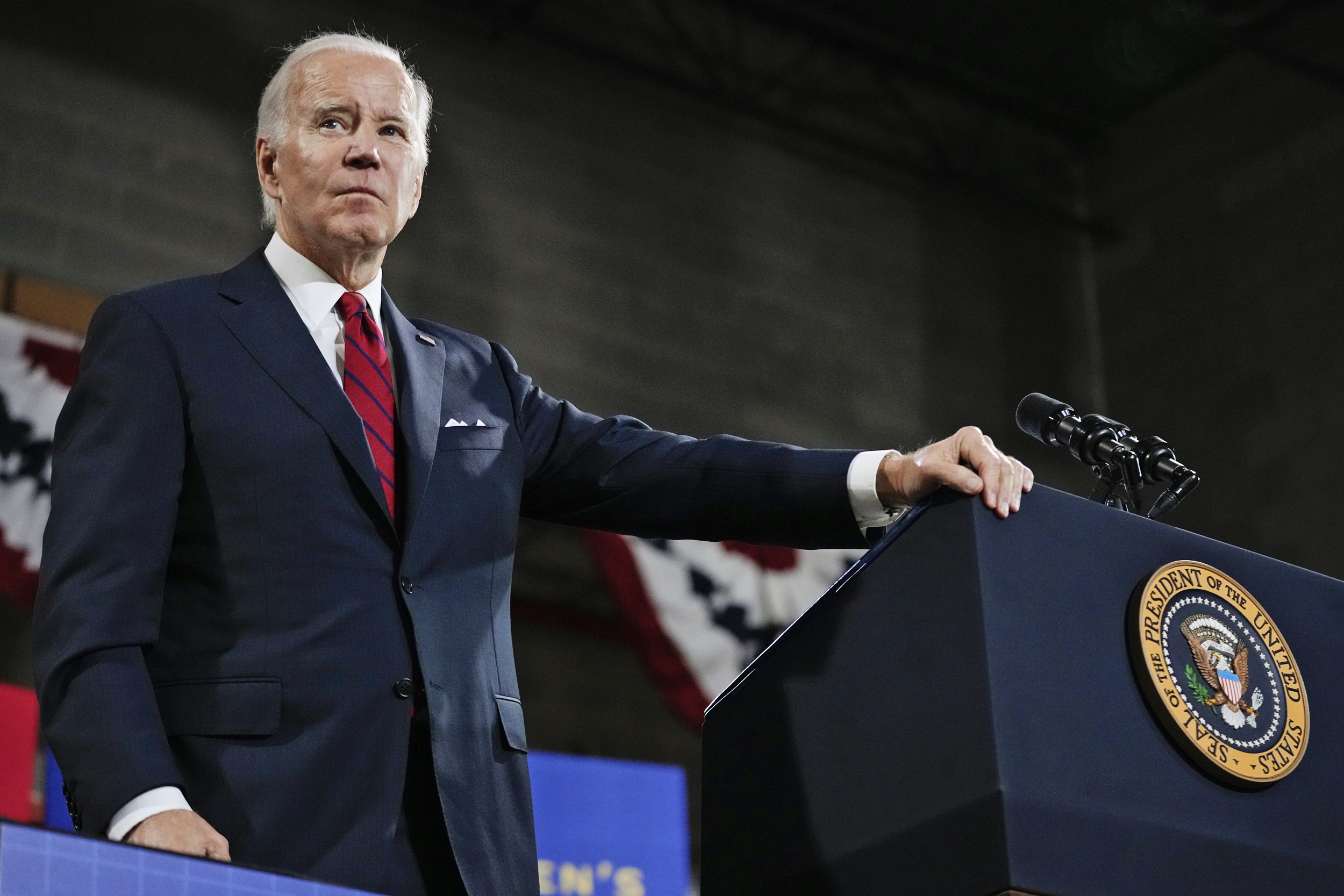
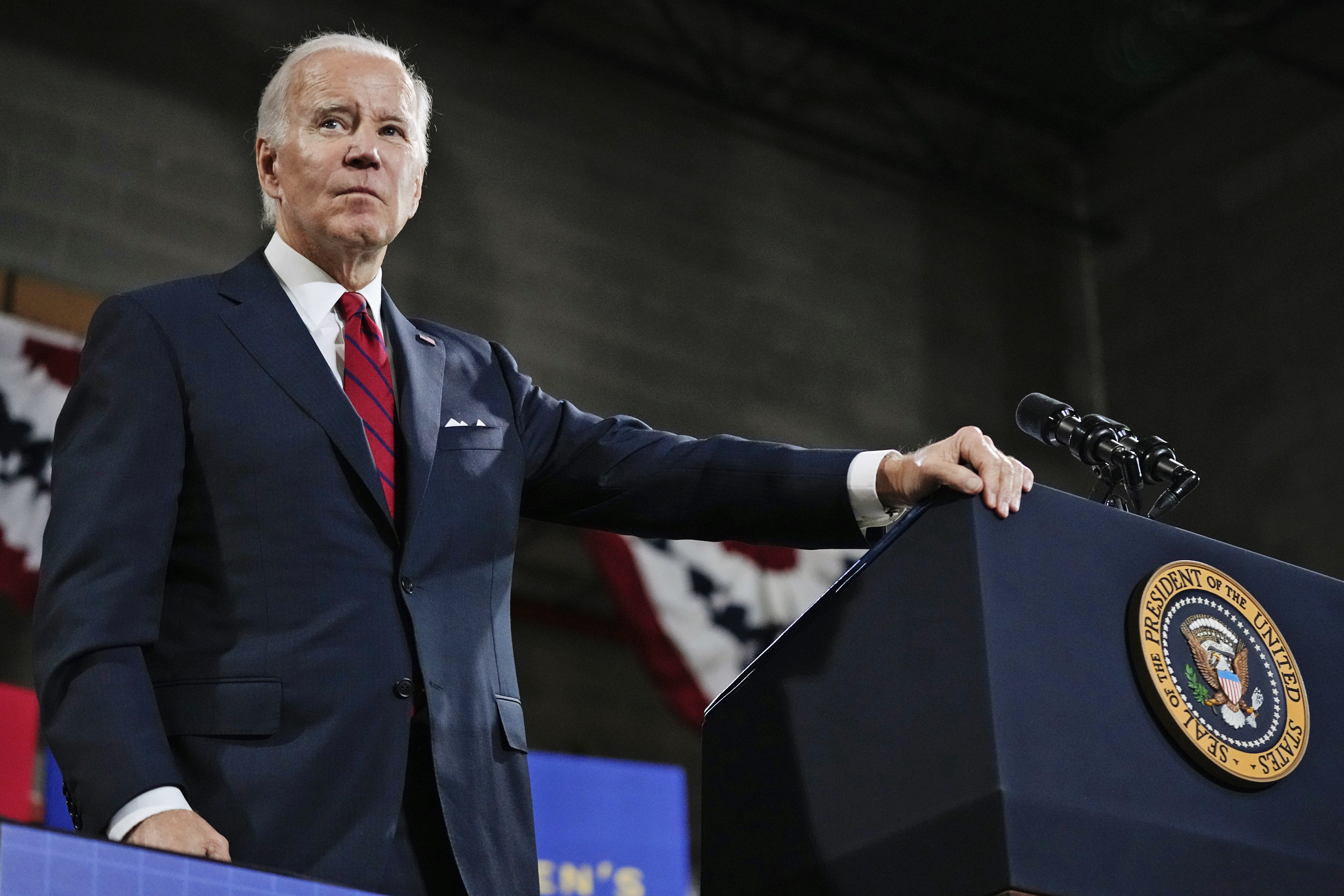
On 12 July 2001, another Democratic senator, Joseph R. Biden (who would go on to become the US Vice President on 20 January 2009 and President on 20 January 2021), joined the co-sponsors of the bill. A co-sponsor is a member of Congress who joins one or more members in his or her chamber (ie, the House of Representatives or Senate) to sponsor a bill or amendment. The first member who “signs onto” a bill is called the “sponsor”. Members who subsequently sign become “co-sponsors”.
Can you just imagine Hillary Clinton, President George W. Bush, and President Joseph Biden teaming up to fight for the imposition of only personal sanctions on Zimbabwean officials? No, they have more important things to do, and one of those “more important things” is economic and political sanctions on Zimbabwe. And that is what they did. Not only personal sanctions.
Hush, hush bill
In the case of S.494, the bill was passed in the Senate by unanimous consent, and a record of each senator’s position was not kept. The House of Representatives passed it by a roll call vote, which was held under a suspension of the rules to cut debate short. It needed a two-thirds majority, and 396 representatives voted for it, 11 against, and 26 abstained.
To gauge how Westerners value kith and kin relations (in this case white farmers who had lost their farms in Zimbabwe), S.494 was rushed through Congress even as America was mourning the loss of nearly 3,000 lives in the September 11 terrorist attacks on New York City and Washington DC. You might think they had more important things to do at the time than passing a law to punish an African country which they could not pick on a world map, and which was taking measures to right a serious colonial wrong.
For the sake of the record, we publish here the full text of S.494 which was supposed to “provide for a transition to democracy and to promote economic recovery in Zimbabwe”:
The Act
S.494 [107th Congress of the United States of America]
Zimbabwe Democracy and Economic Recovery Act 2001
Be it enacted by the Senate and House of Representatives of the United States of America in Congress assembled.
Section 1: Short title
This Act may be cited as the “Zimbabwe Democracy and Economic Recovery Act of 2001”
Section 2: Statement of Policy
It is the policy of the United States to support the people of Zimbabwe in their struggle to effect peaceful, democratic change, achieve broad-based and equitable economic growth, and restore the rule of law.
Section 3: Definitions
In this Act:
(1) International financial institutions – The term “international financial institutions” means the multilateral development banks and the International Monetary Fund (IMF)
(2) Multilateral development banks – The term “multilateral development banks” means the International Bank for Reconstruction and Development [ie, the World Bank], the International Development Association, the International Finance Corporation, the Inter-American Development Bank, the Asian Development Bank, the Inter-American Investment Corporation, the African Development Bank, the African Development Fund, the European Bank for Reconstruction and Development, and the Multilateral Investment Guaranty Agency.
Section 4. Support for democratic transition and economic recovery
(a) Findings – Congress makes the following findings:
(1) Through economic mismanagement, undemocratic practices, and the costly deployment of troops in the Democratic Republic of Congo, the government of Zimbabwe has rendered itself ineligible to participate in International Bank for Reconstruction and Development and International Monetary Fund programmes, which would otherwise be providing substantial resources to assist in the recovery and modernisation of Zimbabwe’s economy. The people of Zimbabwe have thus been denied the economic and democratic benefits envisioned by the donors to such programmes, including the United States.
(2) In September 1999, the IMF suspended its support under a “standby arrangement”, approved the previous month, for economic adjustment and reform in Zimbabwe.
(3) In October 1999, the International Development Association (in this section referred to as “IDA”) suspended all structural adjustment loans, credits, and guarantees to the Government of Zimbabwe.
(4) In May 2000, the IDA suspended all other new lending to the Government of Zimbabwe.
(5) In September 2000, the IDA suspended disbursement of funds for ongoing projects under previously approved loans, credits, and guarantees to the Government of Zimbabwe.
(b) Support for democratic transition and economic recovery
(1) Bilateral debt relief – Upon receipt of the appropriate congressional committee of a certification described in subsection (d), the Secretary of State of the Treasury shall undertake a review of the feasibility of restructuring, rescheduling, or eliminating the sovereign debt of Zimbabwe held by any agency of the United States Government.
(2) Multilateral debt relief and other financial assistance – It is the sense of Congress that, upon receipt by the appropriate congressional committee of a certification described in subsection (d), the Secretary of State of the Treasury should:
(a) Direct the United States executive director of each multilateral development bank to propose that the bank should undertake a review of the feasibility of restructuring, rescheduling, or eliminating the sovereign debt of Zimbabwe held by that bank; and (b) Direct the United States executive director of each international financial institution to which the United States is a member to propose to undertake financial and technical support that is intended to promote Zimbabwe’s economic recovery and development, the stabilisation of the Zimbabwean dollar, and the viability of Zimbabwe’s democratic institutions.
(c) Multilateral financing restriction – Until the President [of the United States] makes the certification described in subsection (d), and except as may be required to meet basic human needs or for good governance, the Secretary of the Treasury shall instruct the United States executive director to each international financial institution to oppose and vote against: (1)
Any extension by the respective institution of any loan, credit, or guarantee to the Government of Zimbabwe, or (2) Any cancellation or reduction of indebtedness owed by the Government of Zimbabwe to the United States or any international financial institution.
(d) Presidential certification that certain conditions are satisfied:
A certification under this subsection is a certification transmitted to the appropriate congressional committee of a determination made by the President [of the United States] that the following conditions are satisfied:
(1) Reasoning of the rule of law – The rule of law has been restored in Zimbabwe including respect for ownership and title to property, freedom of speech and association, and an end to the lawlessness, violence and intimidation sponsored, condoned, or tolerated by the Government of Zimbabwe, the ruling party, and their supporters or entities.
(2) Election or pre-election conditions – Either of the following two conditions is satisfied: (a) Presidential election – Zimbabwe has held a presidential election that is widely accepted as free and fair by independent international monitors, and the president-elect is free to assume the duties of the office. (b) Pre-election conditions – In the event the certification is made before the presidential election takes place, the Government of Zimbabwe has sufficiently improved the pre-election environment to a degree consistent with accepted international standards for security and freedom of movement and association.
(3) Commitment to equitable, legal, and transparent land reform – The Government of Zimbabwe has demonstrated a commitment to an equitable, legal and transparent land reform programme consistent with agreements reached at the International Donors Conference on Land Reform and Resettlement in Zimbabwe held in Harare, Zimbabwe, in September 1998.
(4) Fulfilment of agreement ending war in DRCongo – The Government of Zimbabwe is making a good faith effort to fulfil the terms of the Lusaka, Zambia, agreement on ending the war in Congo.
(5) Military and national police subordinate to civilian government – The Zimbabwe Armed Forces, the National Police of Zimbabwe, and other state security forces are responsible to and serve the elected civilian government.
(c) Waiver – The President [of the United States] may waive the provisions of subsection (b) (1) or subsection (c), if the President determines that it is in the national interest of the United States to do so.
Section 5: Support for democratic institutions, the free press and independent media, and the rule of law:
(a) In general – The President [of the United States] is authorised to provide assistance under Part I and Chapter 4 of Part II of the Foreign Assistance Act of 1961 to:
(1) Support an independent and free press and electronic media in Zimbabwe.
(2) Support equitable, legal, and transparent mechanisms of land reform in Zimbabwe, including the payment of costs related to the acquisition of land and the resettlement of individuals, consistent with the International Donors Conference on Land Reform and Resettlement in Zimbabwe held in Harare, Zimbabwe, in September 1998, or any subsequent agreement relating thereto, and
(3). Provide for democracy and governance programmes in Zimbabwe.
(b) Funding – Of the funds authorised to be appropriated to carry out Part I and Chapter 4 of Part II of the Foreign Assistance Act of 1961 for fiscal year 2002 –
(1) $20m is authorised to be available to provide the assistance described in subsection (a) and
(2) $6m is authorised to be available to provide the assistance described in subsection (a) (3)
(c) Supersedes other laws – The authority in this section supersedes any other provision of law.
Section 6: Sense of Congress on the actions to be taken against individuals responsible for violence and the breakdown of the rule of law in Zimbabwe:
It is the sense of Congress that the President [of the United States] should begin immediate consultation with the governments of European Union member states, Canada, and other appropriate foreign countries on ways in which to:
(1) Identify and share information regarding individuals responsible for the deliberate breakdown of the rule of law, politically motivated violence, and intimidation in Zimbabwe.
(2) Identify assets of those individuals held outside Zimbabwe.
(3) Implement travel and economic sanctions against those individuals and their associates and families; and
(4) Provide for the eventual removal or amendment of those sanctions.”
Editor’s comment: An act of war
For the Americans, the above essentially was the legal basis for the economic and political sanctions regime that they imposed on Zimbabwe. However, in the eyes of the United Nations, according to its charter, these sanctions were illegal because they violated the UN Charter.
Overall, S.494 – which the Americans would otherwise consider an “act of war” if some other foreign country had passed it against them – effectively condemned Zimbabwe’s 13 million population to severe economic suffering as the country was unable to borrow or get any credit or debt cancellation at the international level.
It is interesting to note that while Uganda and Rwanda sent their troops to DRCongo to fight against the legitimate and internationally-recognised government of that country, and stayed for 8 years causing mayhem in Congo, America passed no such punitive law to sanction Uganda and Rwanda.
Instead, America and Britain and their allies gave Rwanda and Uganda all the military, economic, and political support that they needed to continue the war in Congo – because effectively they were doing the bidding of America and Britain and their allies. Basically, Uganda and Rwanda were fighting a proxy war in Congo on behalf of America, Britain and their allies who wanted their erstwhile friend, President Laurent Kabila, out of power so they could gain absolute control of Congo’s political life, strategic minerals and other wealth.
So, Zimbabwe which was invited by the legitimate government of Congo to help repel what amounted to “foreign invaders” attacking the country, “rendered itself ineligible” – according to the American Congress – “to participate in [World Bank and IMF] programmes” because of “the costly deployment of troops to Congo”.
Yet, even as Uganda and Rwanda increased their deployment of troops, and succeeded in reducing Congo to its knees in 8 years of proxy war, they still did not render themselves ineligible “to participate in World Bank and IMF programmes”, and even more importantly their deployment of troops to Congo did not destroy their economies as Zimbabwe’s economy was alleged by America and others to have been destroyed by the Congo war.
On top of all this, Uganda and Rwanda received massive economic, political, military, and moral support from America, Britain and their allies for fighting in Congo.
American admission
The real motivation of S.494, which was neatly summed up by the Congressional Budget Office (CBO), was simply “economic sanctions” against Zimbabwe for (1) daring to embark on land reform which negatively impacted on white commercial farmers in the country, and (2) implementing the directives of the Southern African Development Community (SADC) to intervene in Congo to prevent rebels and foreign invaders from laying Congo to waste.
On 12 July 2001, America’s Senate Committee on Foreign Relations ordered the CBO to prepare a cost estimates for implementing S.494. In the preamble to the estimates, the CBO said matter-of-factly: “S.494 would support a transition to democracy and promote economic recovery in Zimbabwe through a set of incentives and sanctions. The bill would require the United States to oppose lending by international financial institutions to, or debt relief for, Zimbabwe until the [American] President certifies to the Congress that certain conditions are certified …
“Assuming the appropriation of the authorised amounts, CBO estimates that implementing the bill would cost $23m over the 2002-2006 period … S.494 would earmark $20m for land reform and $6m for programmes to promote democracy and good governance in Zimbabwe [ie, anti-government activities] from funds otherwise authorised to be appropriated in 2002 for development assistance and economic support fund,” the CBO added.
Cynthia McKinney
On the day the House of Representatives passed S.494 (Tuesday, 4 December 2001), a fuming Cynthia McKinney, one of the few African-American politicians in Congress at the time to speak against the bill, stood on the floor of the House, and told the assembled congressmen and women:
“Mr Speaker,” she said, “at the International Relations Committee meeting on 28 November 2001, which considered the Zimbabwe Democracy and Economic Recovery bill of 2001, I asked a question of my colleagues who were vociferously supporting this misdirected piece of legislation: ‘Can anyone explain how the people in question who now have the land in question in Zimbabwe got title to the land?’
“My query was met with a deafening silence. Those who knew did not want to admit the truth and those who didn’t know should have known – that the land was stolen from the indigenous people through the British South Africa Company and any ‘titles’ to it were illegal and invalid.
“Whatever the reason for their silence, the answer to this question is the unspoken and real reason for why the United States Congress is now concentrating its time and resources on squeezing an economically-devastated African state under the hypocritical guise of providing a ‘transition to democracy’.
“Zimbabwe is Africa’s second-longest stable democracy. It is multi-party. It had elections last year [2000] where the opposition, Movement for Democratic Change, won over 50 seats in Parliament. It has an opposition press which vigorously criticises the government and governing party. It has an independent judiciary which issues decisions contrary to the wishes of the governing party.
“Zimbabwe is not without troubles, but neither is the United States. I have not heard anyone proposing a United States Democracy Act following last year’s [2000] presidential electoral debacle. And if a foreign country were to pass legislation calling for a United States Democracy Act which provided funding for United States’ opposition parties under the figleaf of ‘voter education’, this body [meaning Congress] and this country would not stand for it.
“There are many de jure and de facto one-party states in the world which are the recipients of support of the United States government. They are not the subject of congressional legislative sanctions.
“To any honest observer, Zimbabwe’s sin is that it has taken a position to right a wrong, whose resolution has been too long overdue – to return its land to its people. The Zimbabwe government has said that a situation where 2% of the population owns 85% of the best land is untenable. Those who presently own more than one farm will no longer be able to do so.
“When we get right down to it, this legislation is nothing more than a formal declaration of United States complicity in a programme to maintain white-skin privilege. We can call it an ‘incentives’ bill, but that does not change its essential ‘sanctions’ nature.
“It is racist and against the interests of the masses of Zimbabweans. In the long run, the Zimbabwe Democracy Act will work against the United States having a mutually beneficial relationship with Africa.”
In the days when there was honour in politics, cries of “hear, hear” would have greeted Cynthia McKinney’s words in Congress. But these were the days of Bush and Blair, and McKinney’s words were drowned in silence.
Since then, Zimbabwe’s economy has never been the same.