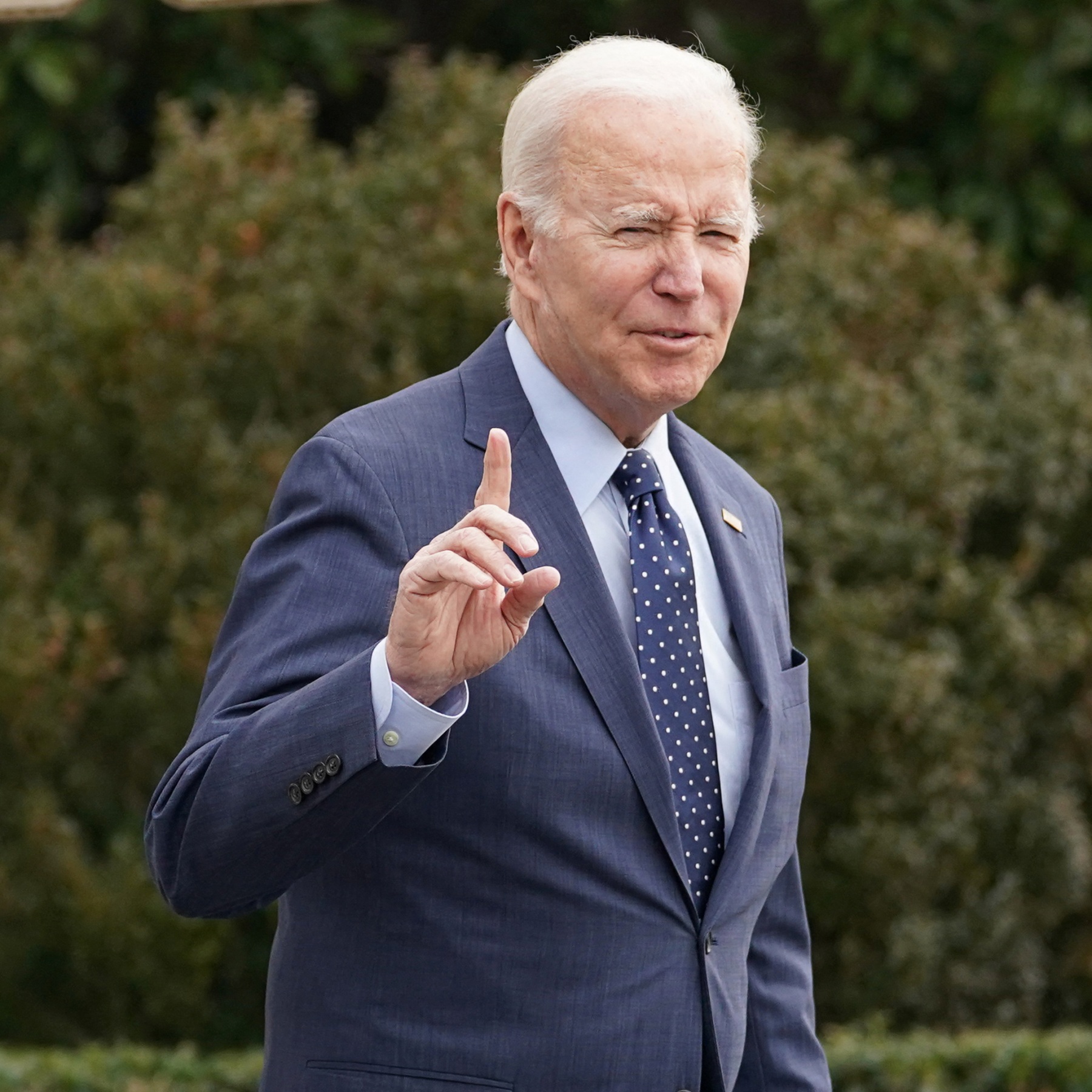
Since the collapse of the Soviet Union in 1991, America has managed to spread its hegemony across the world. However, as it cemented its hegemony, America became too arrogant and reckless, angering many people in the process. As our deputy editor Munyaradzi Huni reports, the world is now not only fed up with America but is exiting the American hegemony. American influence is waning across the world and a new period of history is taking shape.
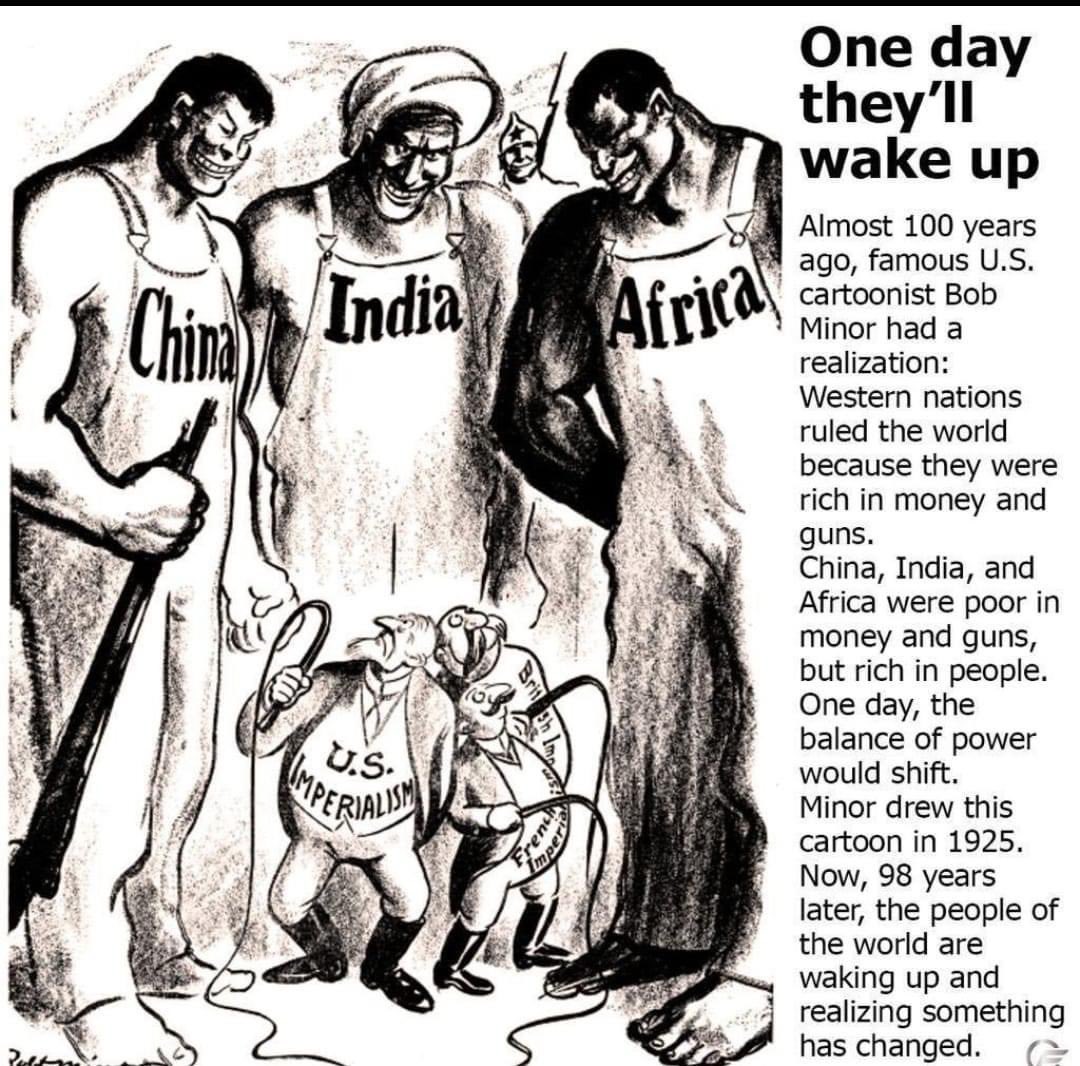
Of course, this is not going to be an event, but way back in 1925, the famous US political cartoonist Bob Minor, drew a cartoon predicting that one day China, India and Africa will wake up. Since that cartoon was published, the American National Intelligence Council has predicted that the American hegemony will end by 2030, a prediction that was endorsed by the American writer, Alfred McCoy, in his book, “In the Shadows of the American Century – The Rise and Decline of US Global Power”, in which he says: “The prediction of the National Intelligence Council that the US hegemony will end by 2030 forecasts that imperial collapse will bring a major crash in American living standards and an accompanying decline toward shithole country status.” Now what Minor’s cartoon predicted in 1925 is unfolding right before our eyes as a post-American world order is beckoning. Read on …
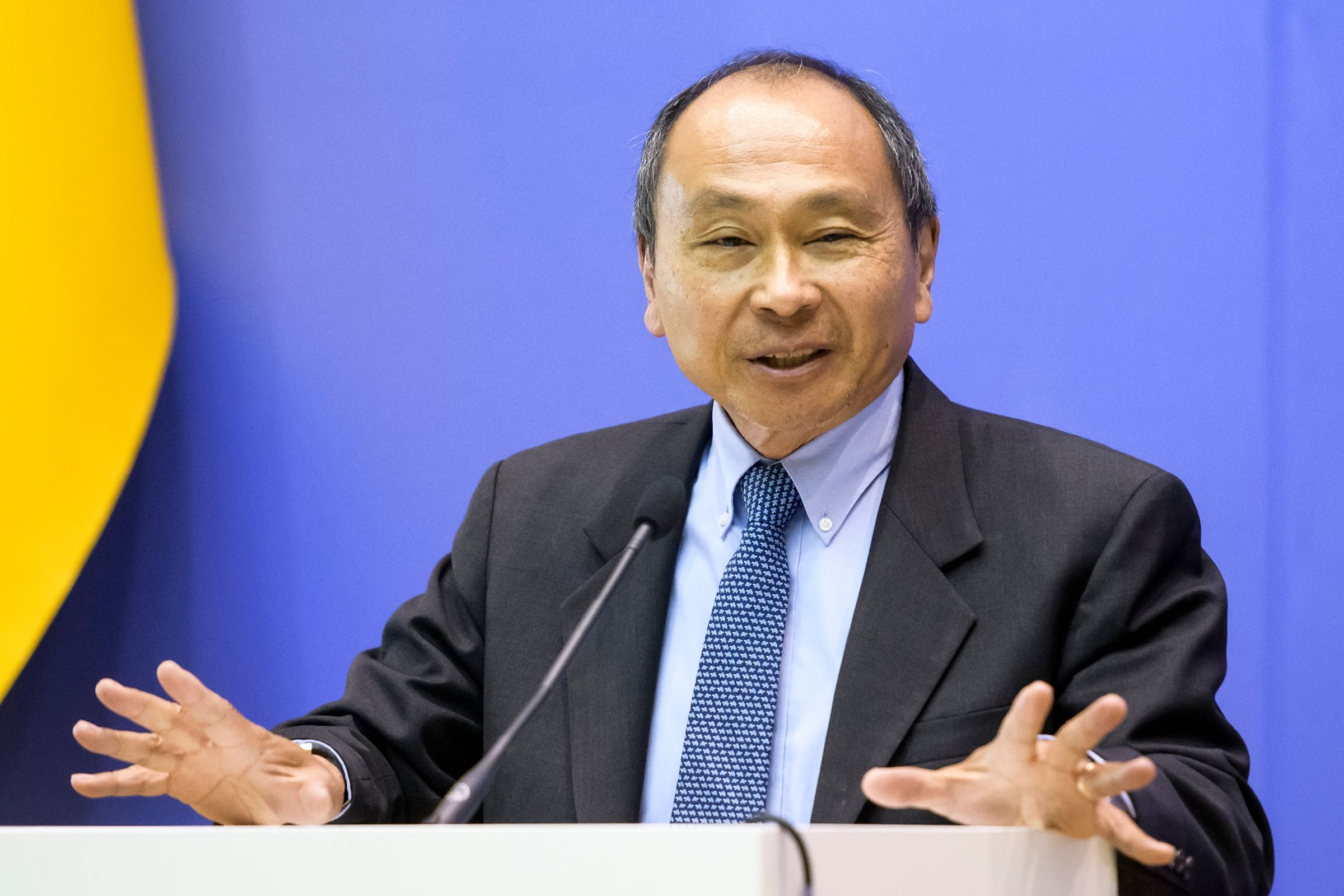
When the American political scientist, Francis Fukuyama, wrote his much-acclaimed book, The End of History and the Last Man in 1992, arguing that the progression of human history as a struggle between ideologies was largely at an end, after seeing mirages of the world settling on liberal democracy following the fall of the Berlin Wall in 1989 and the end of the Cold War in 1991, he clearly was getting ahead of himself.
Let me fill you in a bit more, dear readers, so that you understand why there is a growing and overwhelming consensus that the scientist in Fukuyama was overshadowed by the politician in him as he wrote the book.
Fukuyama proposed the thesis that mankind’s ideological evolution had come to an end with the end of the Cold War, adding that the battle of ideas between liberal democracy and communism had been solved. He further argued that history should be viewed as an evolutionary process, and that the end of history, in this sense, meant that liberal democracy was going to be the final form of government for all nations.
Shockingly, Fukuyama, suggested that the transition of all nations to this political model (liberal democracy), could signal the end of military conflicts because, according to him, during the Cold War, liberal democracies had maintained amicable international relations.
This is shocking if one considers the number of wars America has sponsored over the years. But for now, let’s keep the eye on the ball.
Just in case, you still don’t catch the drift here. In very simple terms, Fukuyama was suggesting that a US model of government (liberal democracy) was the best form of government, and should be replicated across the world. Clearly, Fukuyama, just like many ego-centric American politicians, thought he could, through discourse, impose a Western-dominated viewpoint of what they term the “best” democratic model across the world.
Well, wherever Fukuyama is, he must be silently whispering the words by the famous Irish dramatist, George Farquhar, who wrote in one of his 1702 plays, The Inconstant that: “I have swallowed my words already; I have eaten them up.”
Developments on the ground over the past few years have shown, beyond reasonable doubt, that Fukuyama was way off the mark because the world is not only resisting the US model of government, but is actually fighting America.
Eating humble pie
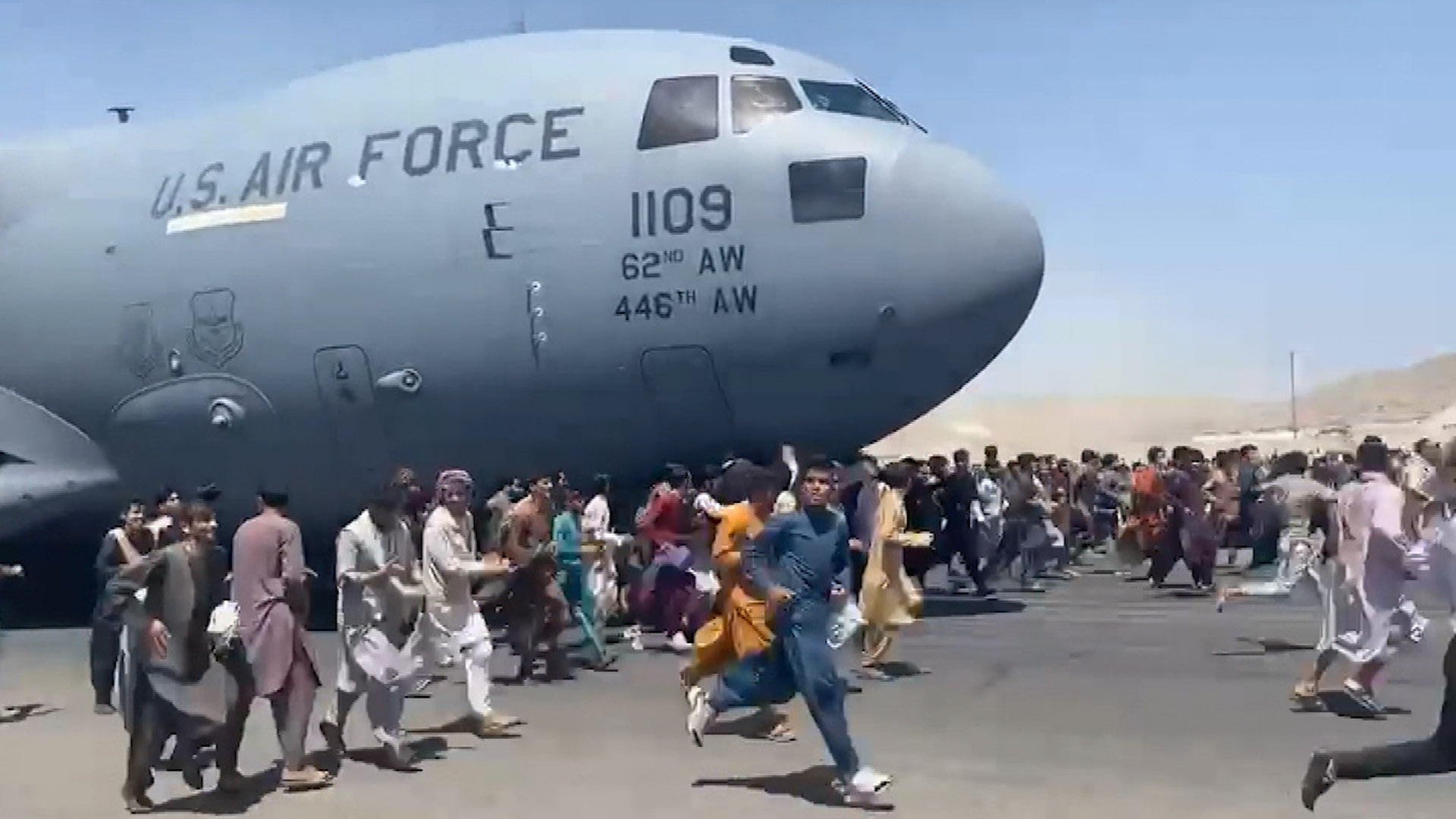
In an article published on 8 November 2021, Fukuyama, who is now a senior fellow at Stanford University, showed that he is already eating humble pie when he wrote: “The horrifying images of desperate Afghans trying to get out of Kabul after the Western-backed government collapsed in August, seemed to signify a major juncture in world history, as America turned away from the world.
“Yet in truth, the end of the American era had come much earlier. The long-term sources of American weaknesses and decline are more domestic than international. The country will remain a great power for many years, but just how influential it will be, depends on its ability to fix its internal problems, rather than its foreign policy.”
Of course, one can still sense American arrogance in Fukuyama’s analysis, but clearly the chickens are coming home to roost. America’s foreign policy is in a mess, just like its domestic policy. The American dream is up in smoke as the global order is shifting towards what critical thinkers are calling a “post-American World.”
In fact, Dr Kevin Barrett, an American Islamic Studies scholar and popular contributor to the top echelons of the American media, firmly believes that by 2030 America will not be the America we have all known it to be, in the last 78 years since the end of the Second World War.
According to Dr Barrett: “America is in decline primarily and precisely due to its misallocation of resources in favour of the military-industrial complex.”
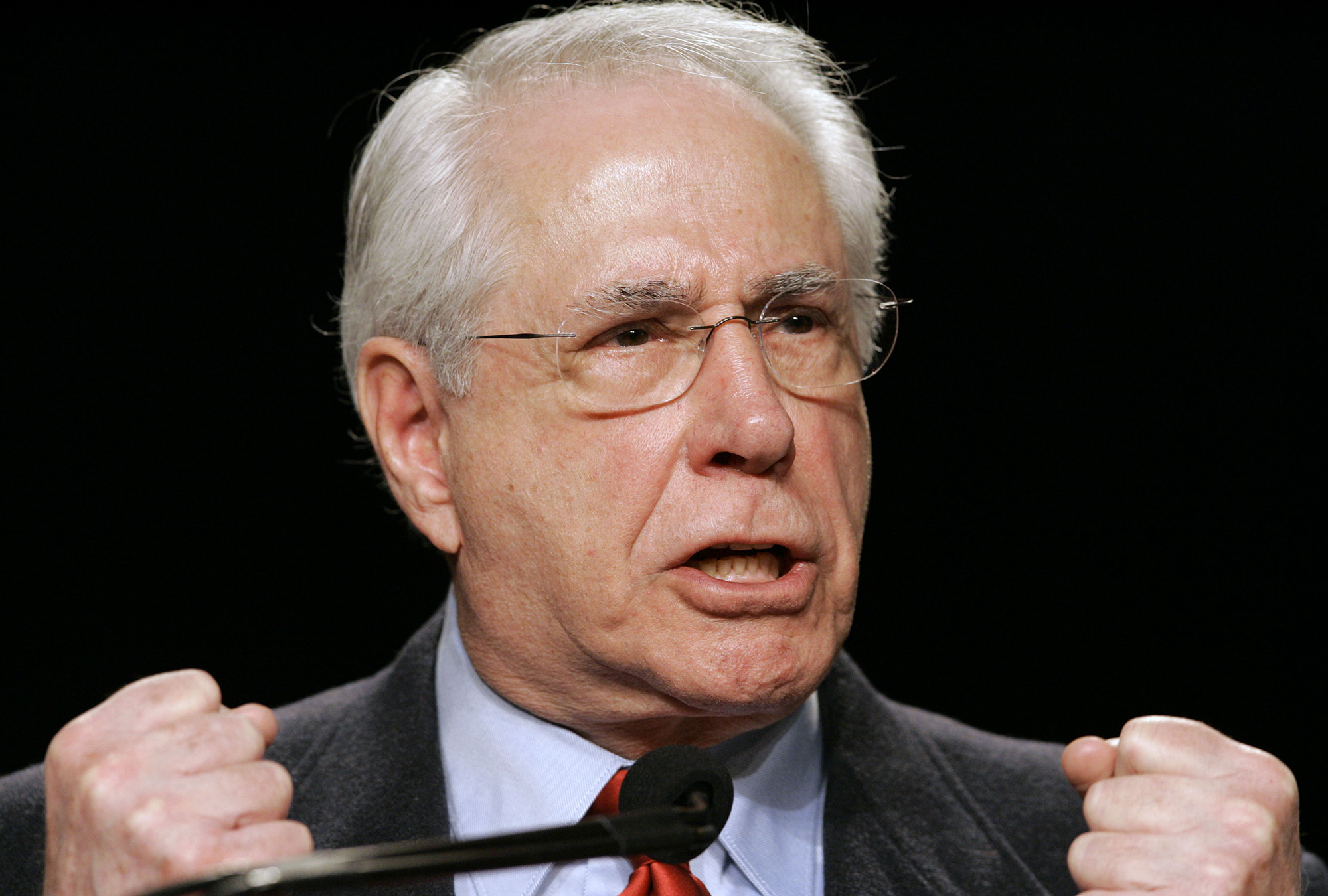
Dr Barrett’s point is echoed by the former US senator Mike Gravel who compares the upward trajectory of China with the decline of America. He says what makes the situation worse is that America has a population of 334 million (according to the US Census Bureau’s 1 January 2023 estimate), while China has 1.45 billion people. “But China is moving its citizens out of poverty while US citizens fall deeply into poverty. China is building roads and bridges and railways, while the US policymakers take our tax dollars and blow them up!
“There is something terribly wrong with a system that creates war as its energy and industrial policy, immigration as its labour policy, and debt as its investment policy. The US is seriously on the wrong track, and we need revolutionary political thought to come to grips with what we are currently doing in order to begin thinking about how to put us back on the right track,” says former Senator Gravel.
Promoting democracy?
Since the end of the Cold War, America has been trying to mold other countries and the world order with its own values and political systems using political, military, economic, financial, technological and cultural means under the guise of promoting democracy and human rights, but this American experiment has failed dismally.
There is a re-emergence of a multipolar system as China and Russia are back on the world stage as global super powers. Even less-influential countries like India, Turkey, Iran, Indonesia, Saudi Arabia and Brazil are slowly becoming regional powerhouses within a loosely-coupled global system.
Amidst this slow but sure death of the American empire and the meteoric rise of China and Russia as global super powers, it is crucial to critically look at how America fooled the world to cement its hegemony and outline how an arrogant America pressed the self-destructive button signaling the end of the unipolar world.
In an article that he wrote in 2022, entitled; “America’s Global Dominance is Ending: What Comes Next?” Daniel Araya, a senior partner with the World Legal Summit, said something quite profound. “What is clear is that we are living through an interregnum – a period in history that bridges a fading industrial era dominated by Western countries and a new digital era underwritten by the rise of China and a vast Asian trading system.
“Since the end of the Second World War, American dominance has depended on a network of alliances overseen by a sprawling US military. But as American researchers Alexander Cooley and Daniel Nexon explain, the world is exiting US hegemony. As the US-led order winds down, Western influence over the global system will wane,” wrote Araya.
Quite an insightful analysis by Araya! Indeed, the signs are written all over that America’s time is up. Of course, after suffering under American hegemony for decades, exiting America won’t be an event but a slow process. Very slow and even painful. Some victims will even resist exiting America.
Africa should not repeat the mistakes of the past
As the world ponders what comes next after exiting America, Africa should prepare itself and position itself so that it does not repeat the mistakes of the past where it allowed warmongers to tear it apart geographically between 1833 and 1914, in what is commonly known as “the Scramble for Africa” or the “Partitioning of Africa” that led to the invasion, annexation, division and colonisation of most African countries by 7 European countries that included Belgium, Britain, France, German, Italy, Portugal and Spain.
After being torn apart geographically following the Berlin Conference of 1884, Africa was further torn apart economically by the July 1944 Bretton Woods Conference that resulted in the formation of the International Monetary Fund (IMF) and the International Bank for Reconstruction and Development, known by many as the World Bank (WB).
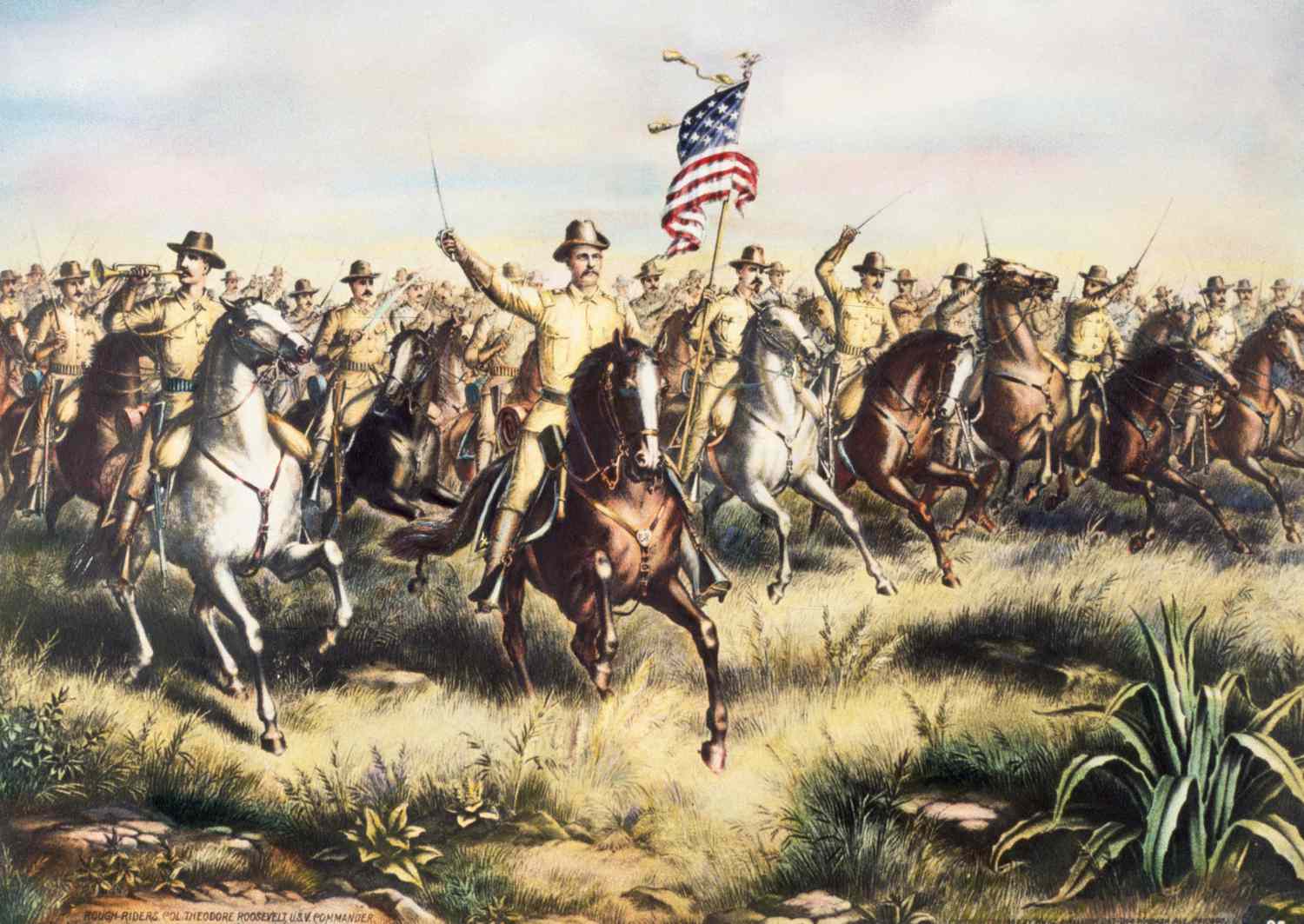
Around the late 1980s, Africa was then plunged into political turmoil through the Washington Consensus which was a dogmatic belief that developing countries should adopt market-led development strategies to pull themselves out of socio-economic challenges.
We all know the havoc and turmoil that was created by the IMF-prescribed Economic Structural Adjustment Programmes during the early 1990s in almost all developing countries, and we now also know that these Bretton Woods institutions (IMF and WB) were never meant to benefit developing countries, especially those in Africa.
My adrenaline is already pumping for me to lash out and spit fire against American hegemony, but let me resist the temptation to get ahead of myself like Fukuyama. I have to resist the temptation to get too emotional because emotions tend to mix up things. Before lambasting America, let’s get to understand how we got where we are today. How exactly did America capture the world?
The birth of American hegemony through wars
Looking at the way the American empire has spread its cultural, economic and political tentacles across the world, one is tempted to think that America has always been a super power, but research shows that until 1783, the United States of America was a fragile country whose main preoccupation was to defend its newly won independence.
However, around the same time, “Manifest Destiny” was born in America and this drove American leaders to start expanding the country’s territory. “Manifest Destiny” was the belief that God ordained the US to control the whole American continent and maximise its power.
In an article titled, “The United States as a World Power,” writers Joseph Cataliotti and Nate Sullivan wrote: “From its independence in 1783 to 1898, the United States started expanding its border westwards across the American continent. A fundamental aspect of this expansion was settler-colonialism, wherein Americans displaced or killed Native Americans, settled on their lands, and controlled them as part of America.
“Throughout the second half of the 1800s, the US went through the Industrial Revolution. The American economy switched from an economy primarily oriented to agriculture to one based on produced and manufactured goods and tools. This switch allowed the US to make the equipment necessary to become a superpower.”
According to the writers, from 1786 to 1898, the US expanded its territory through the Northwest Indian War (1786-1795); the First Barbary War (1801-1805); the Louisiana Purchase (1803); Tecumseh’s War (1810-1813); Mexican-American War (1846-1848); Perry Expedition (1853); Sioux War (1854-1891); American Civil War (1861-1865) and the Spanish-American War (1898).
As the US waged these wars, white settlers took over land and other natural resources that belonged to Native Americans.
“After the United States seized the Spanish Empire, it now had a colonial empire through which it could project its power abroad,” says Cataliotti and Sullivan. “In the first half of the 1900s, the United States would focus on Asia and the Caribbean as new avenues to expand its political power.
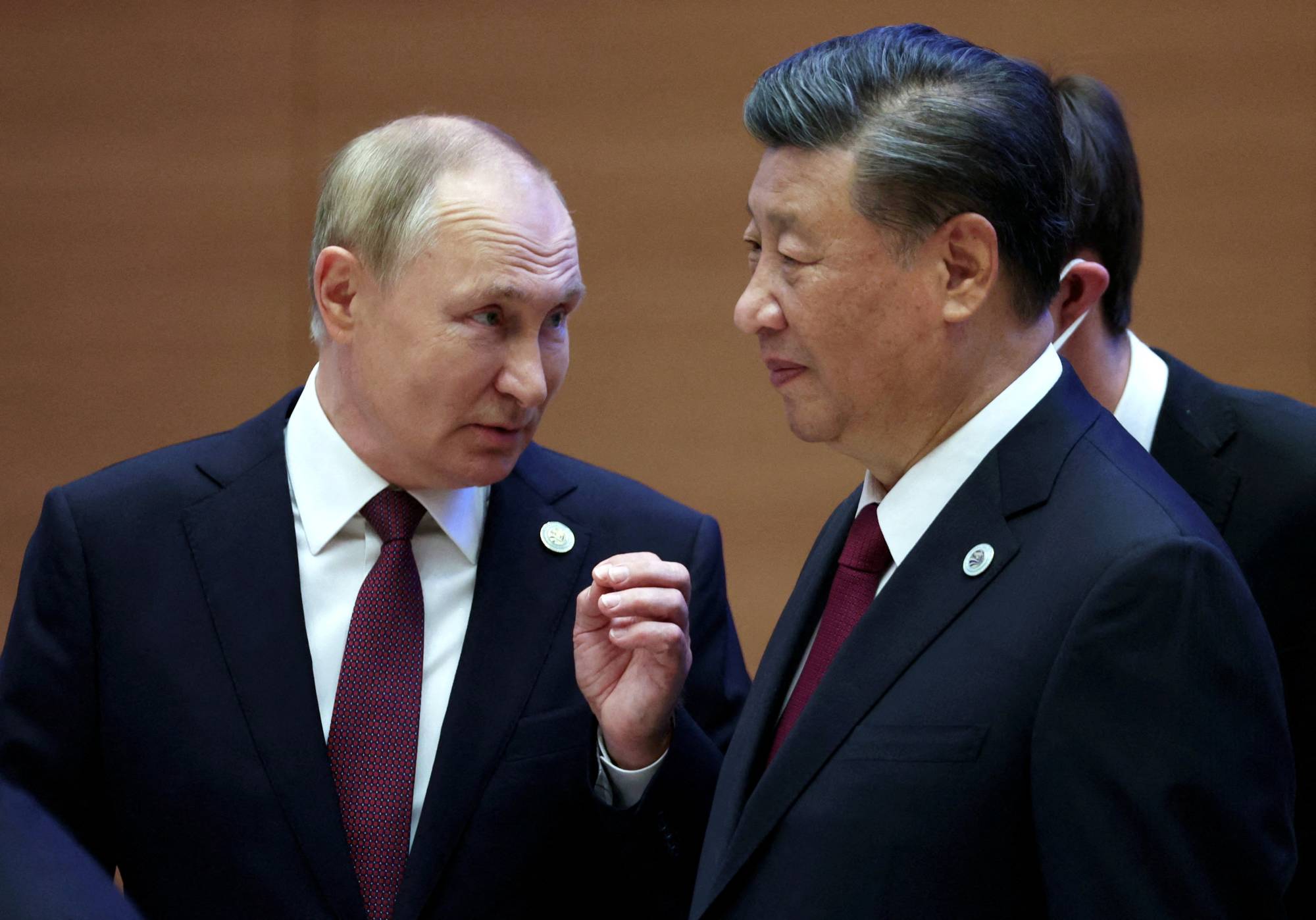
President Xi Jinping in a tete a tete. The two countries have come under American
diplomatic and economic attack in recent months and years
“The World Wars, in which the US cemented its alliance with Britain and France, also occurred during this period. Like Britain, the United States viewed itself in this period as a force for good in the world. Through armed interventions, the US believed it could spread democracy and capitalism. At this point, the US had the largest economy in the world and was the largest industrial producer,” noted Cataliotti and Sullivan.
Paola Subacchi, a professor of international economics and chair of the advisory board of the Global Policy Institute at Queen Mary, University of London, concurs with Cataliotti and Sulivan. In a recent article titled; “American Hegemony and its Perils”, Subacchi notes that: “In 1823, the United States announced the Monroe Doctrine. While touting an ‘America for the Americans,’ what it truly wanted was an ‘America for the United States.’
“Since then, the policies of successive US governments toward Latin America and the Caribbean Region have been riddled with political interference, military intervention, and regime subversion. From its 61-year hostility towards and blockade of Cuba, to its overthrow of the Allende government of Chile, US policy on this region has been built on one maxim – those who submit will prosper; those who resist shall perish.”
It is clear from the narratives above that American hegemony was born through wars; and it looks like the US never recovered from this sickening penchant for war.
Through the Mexican-American War, the US conquered the northern half of Mexico and during the Spanish-American War, the US seized control of the Philippines, Guam, Puerto Rico and Cuba. Up to this day, America remains a warmongering country as it continues to overtly and covertly fund several wars across the world.
The Soviet Union and the end of the Cold War
It is important to put things into context here so that we are all on the same page. Once upon a time, the Union of Soviet Socialist Republics (USSR) was a growing superpower that gave America sleepless nights. In the same vein, we have to put things into context so that we all know that at some point, the Soviet Union and the United States were close allies.
This is not a lecture on history and so I won’t torture you, dear readers, with the long history of the Soviet Union. Research shows that the Soviet Union had its origins in the Russian Revolution of 1917 when radical leftist revolutionaries overthrew Russia’s Czar Nicholas II.
Soon after, a socialist state was established in the territory that was once the Russian Empire, but during a period known as the Red Terror, there were clashes that threatened to tear the region apart.
In 1922, a Treaty between Russia, Ukraine, Belarus and Transcaucasia (modern day Georgia, Armenia and Azerbaijan) formed the USSR. The newly-established Communist Party, led by the Marxist revolutionary, Vladimir Lenin, took control of the government. At its peak, the USSR grew to contain 15 Soviet Socialist Republics.
Upon Lenin’s death, Georgian-born revolutionary, Joseph Stalin took over power and in no time he transformed the USSR (known in short as the Soviet Union) from an agrarian society to an industrial and military superpower. As the Soviet Union continued to grow in industrial and military strength, the United States was not amused.
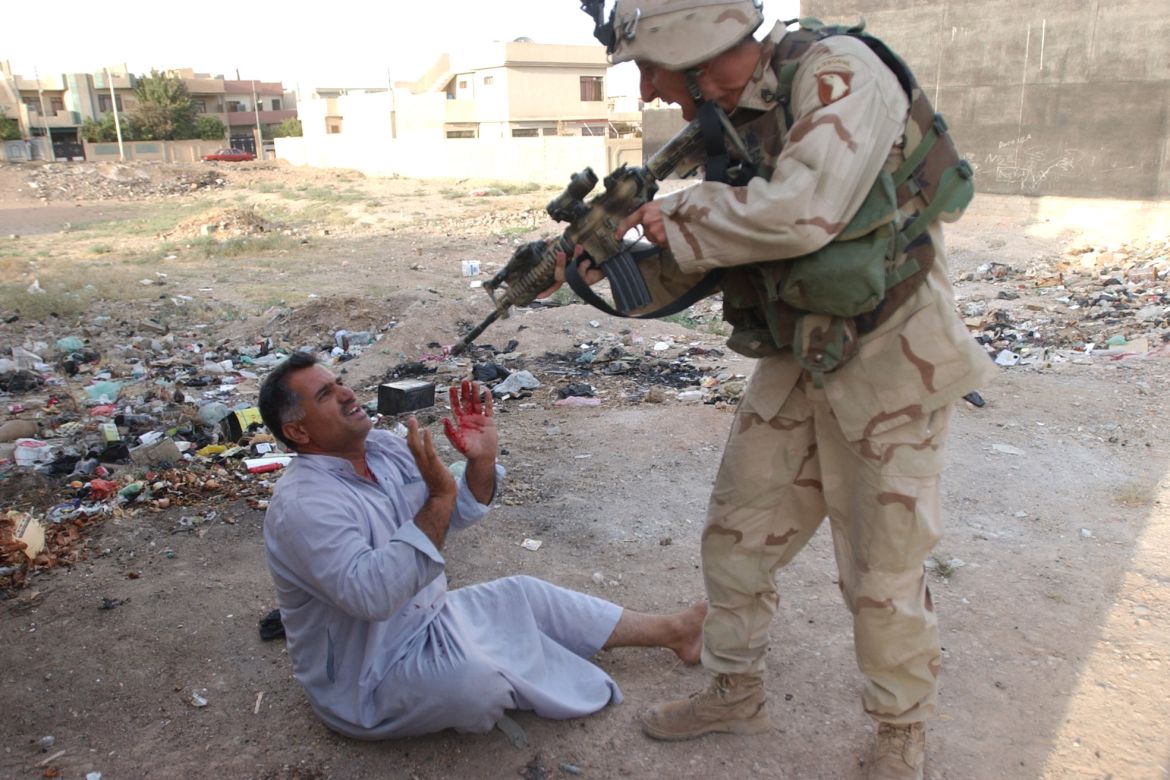
is one of the reasons many countries want to exit the American hegemony
During what the West wants the world to know as “World War II”, the United States and the Soviet Union fought together as allies against the Axis powers led by Germany, Italy and Japan. However, the relationship between the two superpowers was always tense. History shows that Americans had long been wary of Soviet Communism and concerned about how Stalin was quickly transforming his country into a major player in world politics.
On their part, according to research, the Soviets resented Americas’ decades-long refusal to treat the USSR as a legitimate part of the international community as well as their delayed entry into World War II, which resulted in the deaths of millions of Russians. When the war ended, these grievances continued to open a wide rift between the two countries.
In addition, postwar Soviet expansionism in Eastern Europe created tension in America as there was strong suspicion that Russia was planning to control the world. At the same time, the USSR resented what they perceived as America’s growing “big brother mentality” when handling international affairs. With such strained relations and mounting suspicion, the Cold War between the USSR and the America erupted.
According to research, following the end of World War II, most American officials agreed that the best defense against the Soviet threat was a strategy called “containment” that was crafted by American diplomat, George Kennan.
In his famous long telegram, Kennan explained the policy, saying the Soviet Union, was “a political force committed fanatically to the belief that with the US, there can be no permanent modus vivendi (agreement between parties that disagree).”
He continued noting that America’s only choice was the “long-term, patient but firm and vigilant containment of Russian expansive tendencies.”
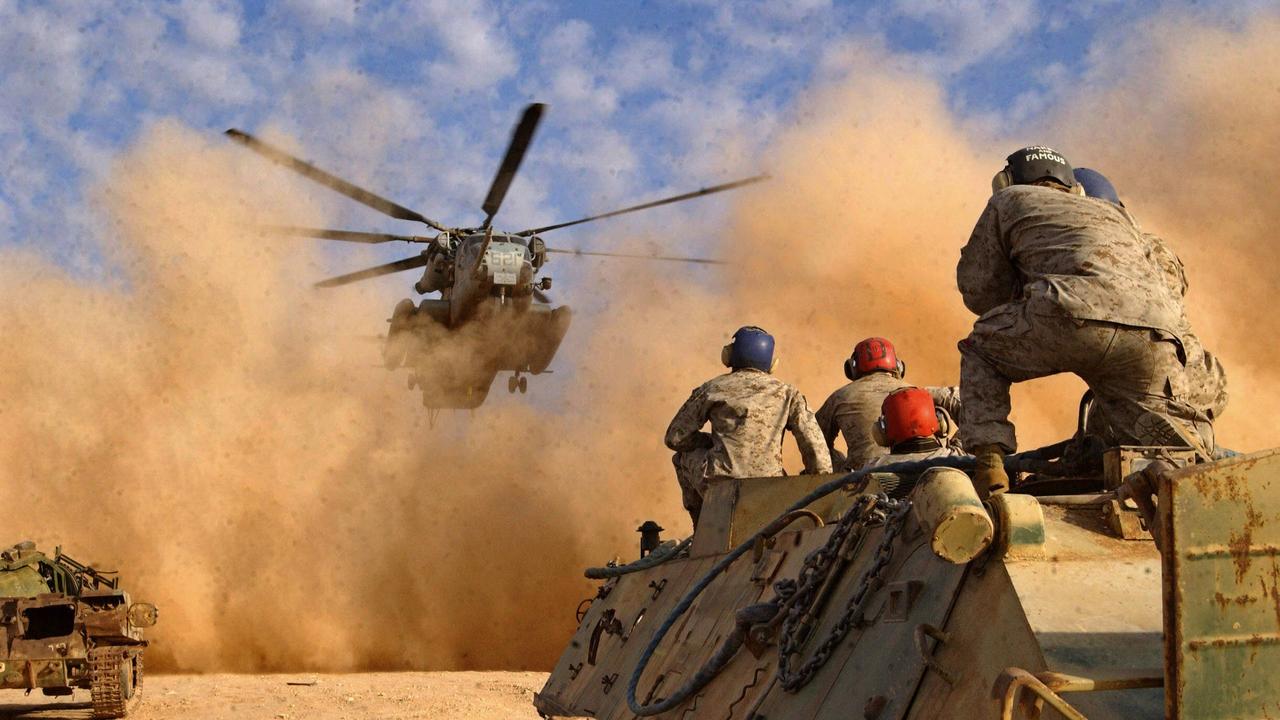
During one of his addresses to Congress in 1947, Kennan said: “It must be the policy of the United States to support free peoples who are resisting attempted subjugation…by outside pressures.”
This policy of containment went on to shape American foreign policy towards the Soviet Union, leading to the Cold War as America and the Soviet Union competed for military power. Up to this day, America is still in this containment mode whenever it is dealing with Russia.
Research shows that the years 1985 to 1989 marked the final period of the Cold War following economic and political reforms in the Soviet Union, the supposed easing of geopolitical tensions between the Soviet-led bloc and the American-led bloc, the collapse of the Soviet Union’s influence in Eastern Europe, and the dissolution of the Soviet Union itself.
When Soviet President Mikhail Gorbachev took over power, he introduced “perestroika” (restructuring) and “glasnost” (openness) as he tried to transform the country’s economy.
Political scientists say this era heralded the end of the USSR, which collapsed in late 1991, giving rise to 15 newly independent nations, including Russia. Gorbachev resigned as president on 25 December 1991, days after the leaders of Belarus, Russia and Ukraine had said the USSR no longer existed.
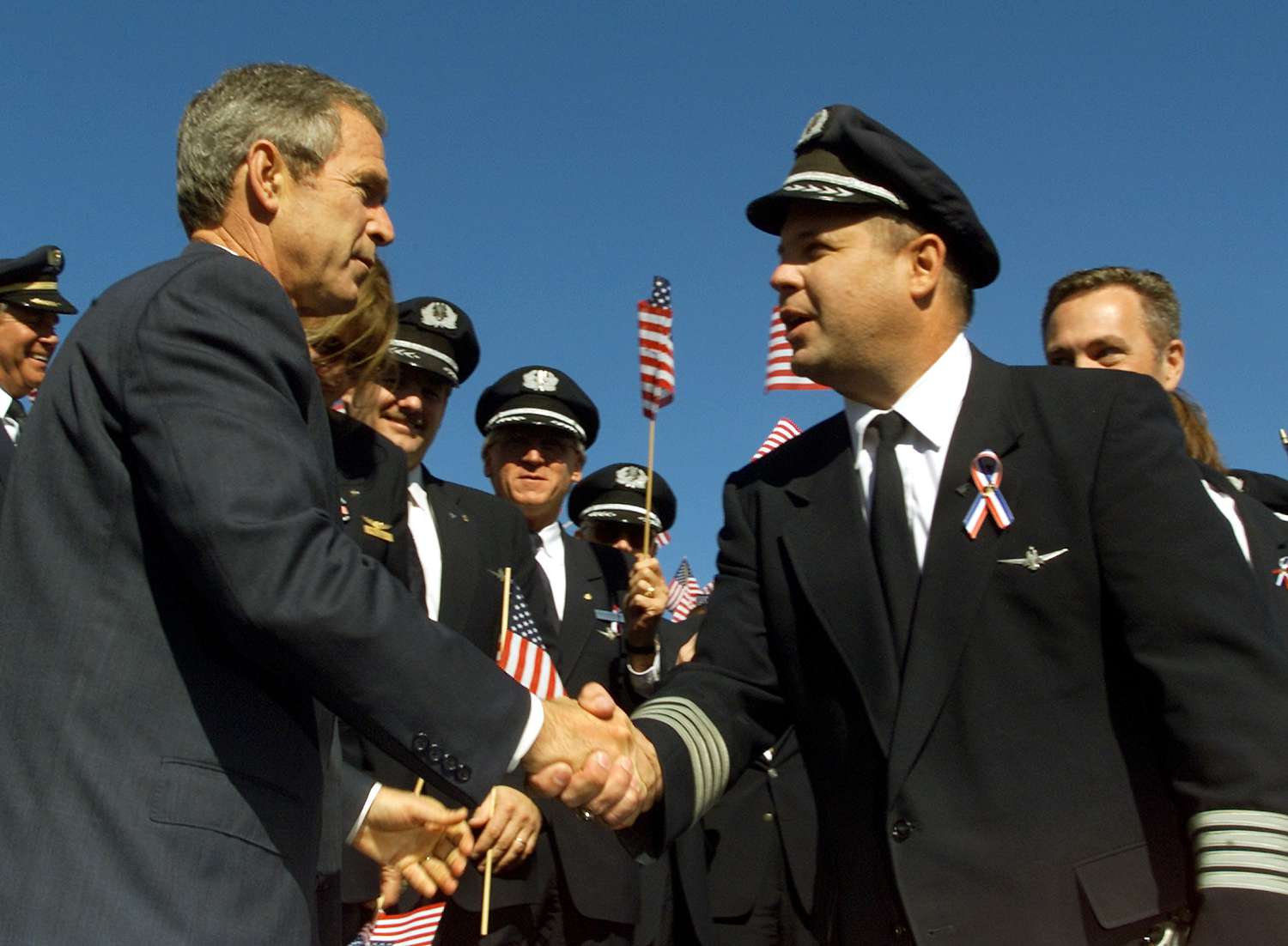
in Iraq and Afghanistan. Here he congratulates his generals for a “good work done”
Vladimir Putin, the current Russian President, has repeatedly called the collapse of the Soviet Union “the greatest geopolitical disaster of the 20th century”, describing it as “the disintegration of historical Russia.”
Yes, the US had fooled the world and managed to kill the Soviet Union, but it made the fatal mistake of failing to bury the Soviet Union. There were signs in the coffin that one day the ghost of the Soviet Union would come back to haunt the US.
America’s arrogance in a unipolar world
With the Soviet Union dead but not buried, America thought it was mission accomplished as it went on to mount a serious cultural, military, political, and economic offensive to turn the whole world into an American village.
In 2021, Gorbachev who passed away in August 2022, bemoaned that soon after the collapse of the Soviet Union, the United States “grew arrogant and self-confident”. He hammered home his point saying: “Arrogance and self-confidence went to their heads.”
Gorbachev was spot on, and many shared his views. America’s arrogance and self-confidence were getting into the nerves of many people across the world. In a scathing document written in February 2023, titled, “US Hegemony and its Perils”, China’s Ministry of Foreign Affairs articulated how the US has been bullying the world in a bid to create a unipolar world.
The Chinese said the US was using “political hegemony – throwing its weight around,” was using “military hegemony – wanton use of force,” was using “economic hegemony – looting and exploitation,” was using “technological hegemony – monopoly and suppression,” and was using “cultural hegemony – spreading false narratives.”
They concluded: “The hegemonic, domineering, and bullying practices of using strength to intimidate the weak, taking from others by force and subterfuge, and playing zero-sum games are exerting grave harm. The historical trends of peace, development, cooperation, and mutual benefit are unstoppable.
“The United States has been overriding truth with its power and trampling justice to serve self-interest. These unilateral, egoistic, and regressive hegemonic practices have drawn growing intense criticism and opposition from the international community.
“Countries need to respect each other and treat each other as equals. Big countries should behave in a manner befitting their status and take the lead in pursuing a new model of state-to-state relations featuring dialogue and partnership, not confrontation or alliance.
“The United States must conduct serious soul-searching. It must critically examine what it has done, let go of its arrogance and prejudice, and quit its hegemonic, domineering and bullying practices.”
Those who are sympathetic to the American empire will point out that the above statement came from China which has a bone to chew with the Americans, and so it doesn’t hold much water.
But let me quote a statement by Kori Schake, who is the director of foreign and defense policy at the American Enterprises Institute. Schake has held several high positions in the US Defense and State Departments and on the National Security Council. In an article titled, “American Dominance of the International Order”, she does not only expose how America imposes its dominance on the world she even brags about it.
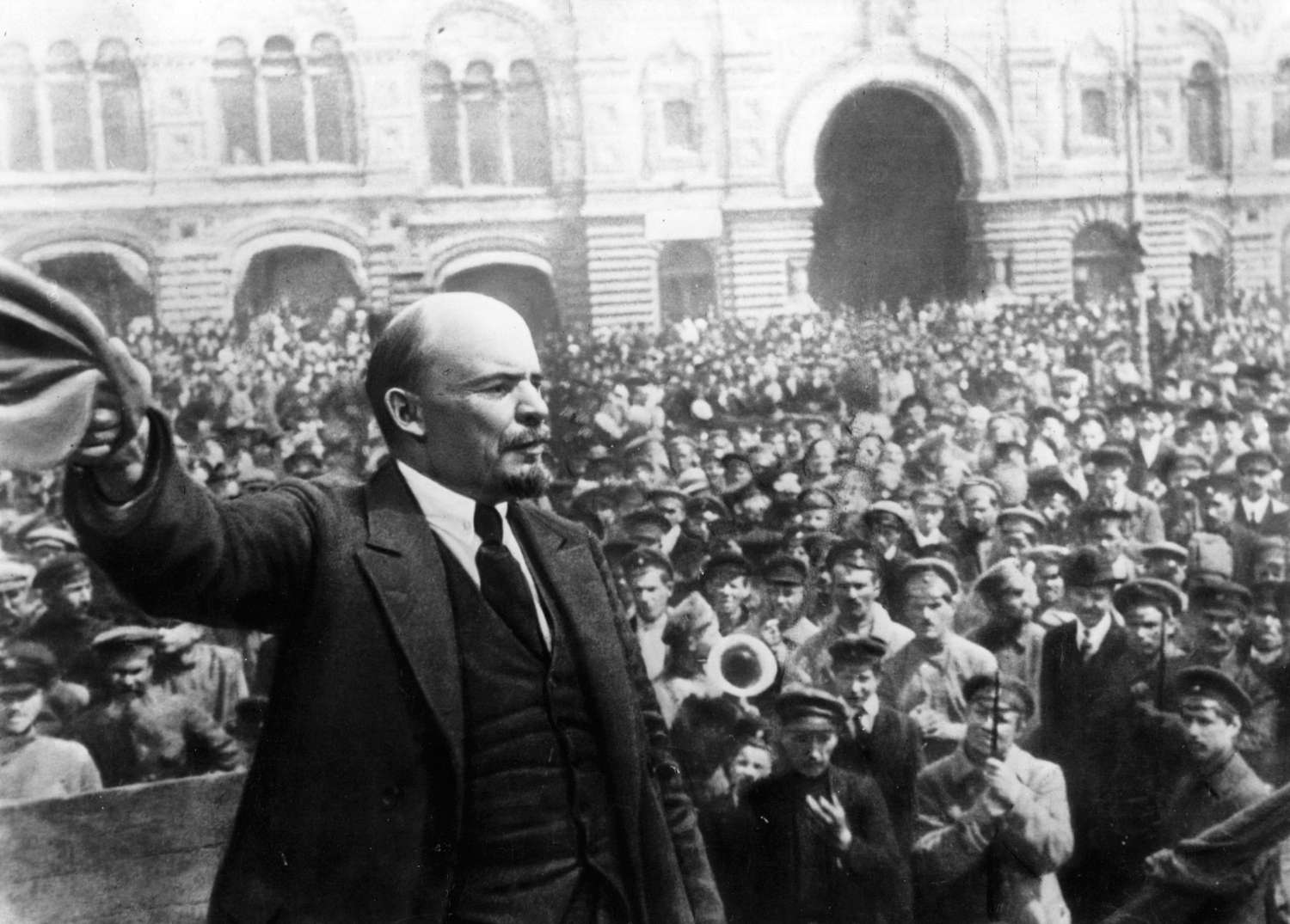
of the government. At its peak, the USSR grew to contain 15 Soviet Socialist Republics.
“In 1945, with the rest of the world in tatters, the United States had a dominant position, could have imposed its will on any other state. In characteristic American fashion, we had a raucous domestic debate – not about how to dominate the world but about whether to remain engaged in the world at all.
“Fortunately for our freedom and prosperity, American governments of both political parties chose, instead of isolation, to build an international order of rules, alliances, and institutions that invited and rewarded participation by other states on our terms. No other state victorious in war had ever attempted to share so widely the spoils of conquest.
“We are a superpower that used the time of our dominance to create a system that was not reliant solely on our power to perpetuate itself. Historically, when a state becomes powerful, other states organise to confront it, to balance its power.
“Because the United States legitimated its power for other countries by participating in institutions and allowing itself to be constrained by the same rules that bound others, it has not engendered the same magnitude of opposition. As a result, the American order has been much less costly to maintain. We mostly don’t have to enforce the rules.
“The behavior that has historically driven the cycle of hegemonic rise and fall is the dominant power overextending itself and then being challenged by potential usurpers. By making American dominance about rules and institutions, our power has been less threatening to other states.
“Rather than seeking balance by opposing us, most states in the international order – and, crucially, the most powerful and prosperous states – see their interests as being served when they play by the same rules and participate in the same institutions as we do.
“America’s challengers have tended to be states that cannot succeed by the rules we have established. So the genius of the American order is that it is largely self- reinforcing. And no other state has proposed a model attractive enough to engender voluntary participation.
“America in its time of dominance has used its power not only for our own safety and enrichment but also for making possible those same things for others. We offer security that facilitates prosperity. We establish alliances to pool our strength and protect each other. We conclude trade agreements that foster more economic activity among rules-respecting states. We play by the rules and ensure others do as well.
“As a result, the American order rewards compliance, and the states that do comply become more like us over time and are therefore less likely to violently overthrow the order. The genius of this design has made American dominance enduring, even as other countries grow stronger, richer, and more involved in the international order. America’s advantages are amplified in this international order.
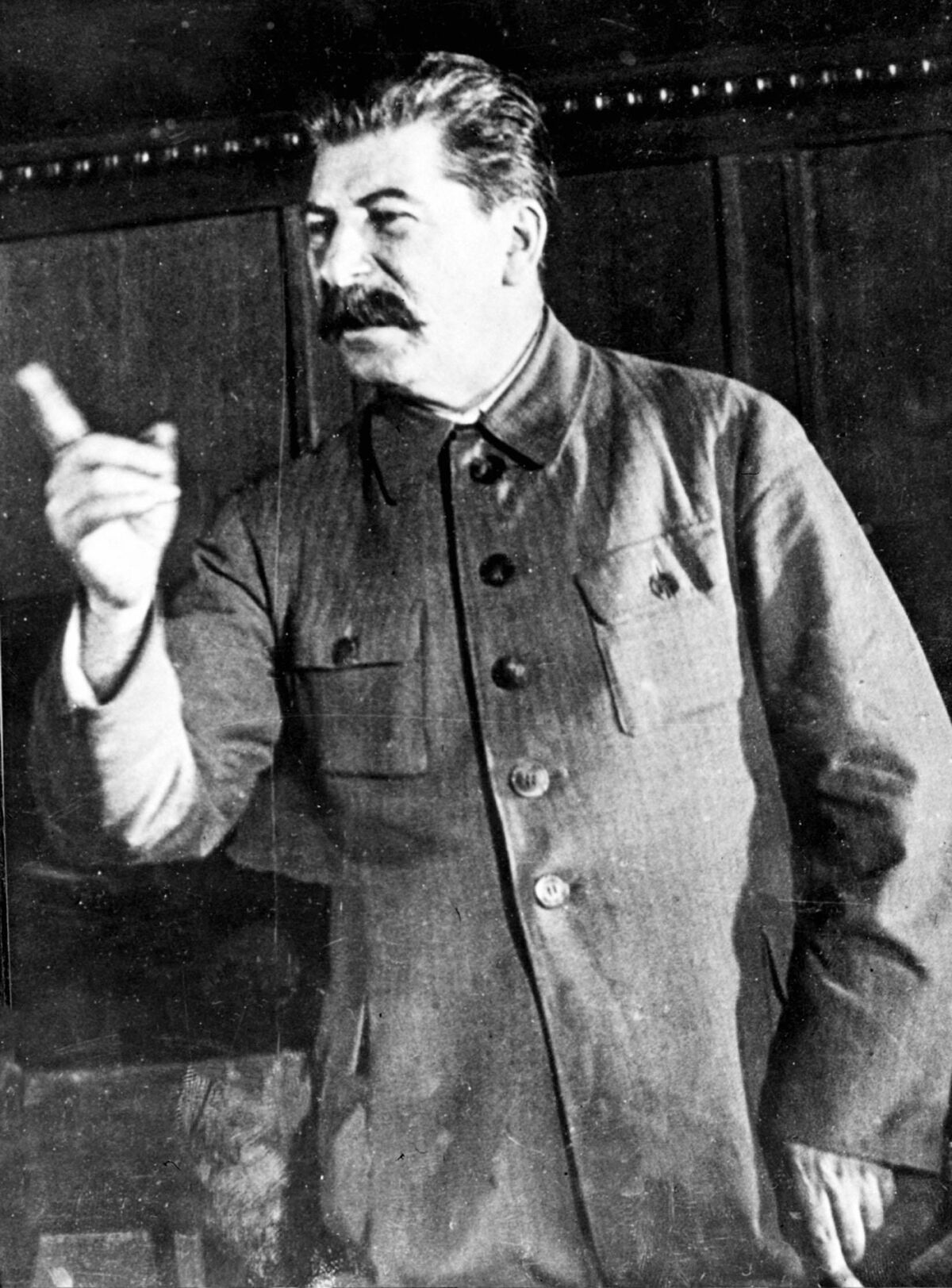
over power and in no time he transformed the USSR from an agrarian society to an
industrial and military superpower.
“Secretary of Defense Jim Mattis is fond of saying that the United States has two powers: the power of intimidation and the power of inspiration. It’s a very common experience when one is abroad to hear, ‘Well, I don’t like the American government, but I really like Americans,’ or ‘I don’t like American policy on this, but I really like America.’ That’s soft power at work…
“If the United States fails – that is, if the dominance that we have experienced in all of our lifetimes comes to an end – it will much more likely be the result of our own indiscipline than the assertive action of an adversary. As Abraham Lincoln said in a much more troubling time for our precious country, ‘If destruction is to be our lot, we must ourselves be the authors of it.’
“If we fix our own problems and we remind ourselves that allies are worth having – that an order constructed across these 70 years is actually principally in our interests, not just in other peoples’ interests – and we remind ourselves that we’re actually good at a lot of things that other countries struggle to get right, then I bet our grandchildren’s grandchildren will still be living in a world of American dominance.”
There it is in their own words. In simple terms, Schake was saying to impose and maintain its dominance, America comes up with rules and institutions that appear to be serving the world yet they are serving its interests.
With the world watching, America managed to create a unipolar world where it dominated the majority of the world through military and economic power, assisted by social and cultural influence.
In this unipolar world, there was a universal acceptance of the principles of democracy, decentralisation, market economy, globalisation, denuclearisation, demilitarization, and development as dictated by America.
The emergence of China
While America was cementing its hegemony across the world, influential countries like China and Russia were not just folding their hands. Clearly, American dominance was posing serious threats to world peace and stability. Something had to be done and done fast! China and Russia rose to the occasion.
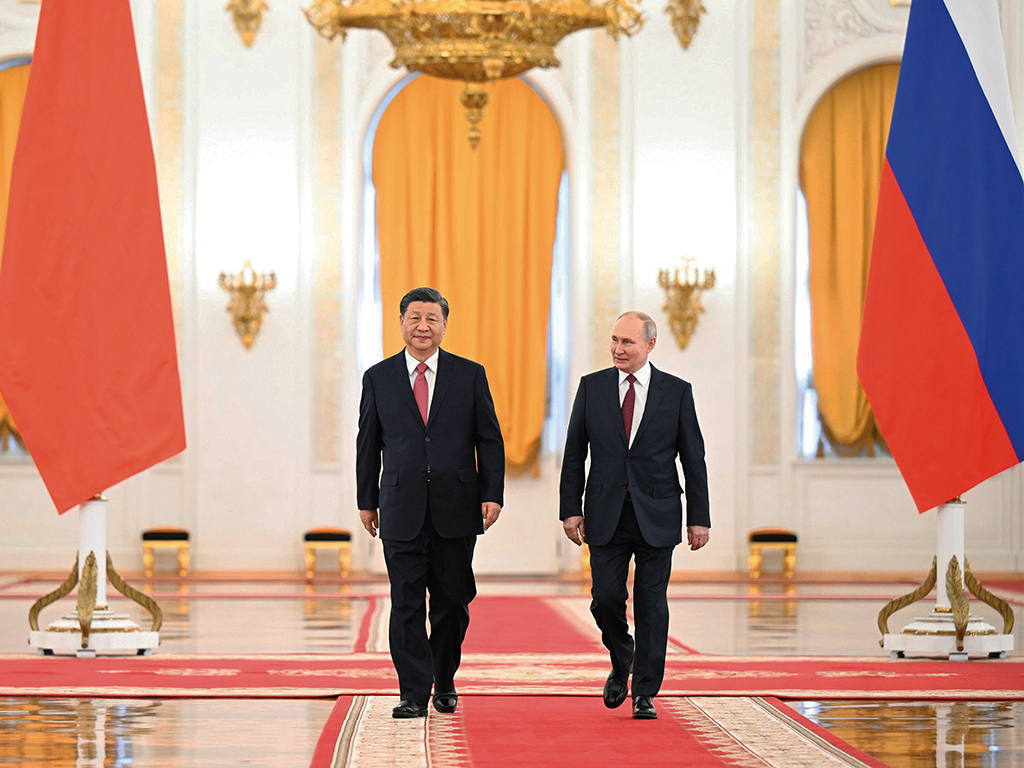
According to Daniel Araya, over the years, the world has been moving steadily towards a “post-American World,” or “Post-Western World,” and at the heart of this shift “is the rise of China and the emergence of a multipolar system.”
In an article titled, “America’s Global Dominance is Ending: What Comes Next?” that he wrote in October 2022, Araya said rapid shifts in the distribution of power had transformed the global system from the bipolar order of the Cold War (1945 to 1989) to the unipolar order of ‘American empire’ (1989 to 2008), to the current multipolar order typified by the rise of China.
“Deepening ties between China and other emerging economies and the rise of Asia as the centre of world trade are reshaping the global balance of power. As Asia returns to the patterns of commerce and cultural exchange that thrived before the ‘age of exploration,’ a new period of history is taking shape.
“In the decades ahead, frontier technologies including artificial intelligence, robotics, quantum computing, 6G (sixth-generation) telecommunications, genetic engineering, renewables and nanotechnology will be the basic building blocks of a competitive multipolar order.
“This future includes a return to hard-power diplomacy and the competition for resources. Together, China’s increasing dominance over the world’s supply chains and Russia’s regional ambitions mark a new period of ‘competitive multilateralism.’

Zimbabwe or Cuba or Iran or Russia or China
“Where many Western countries cling to the post-1945 Bretton Woods system, China’s government is reimagining the world as a single complex network of supply chains and trade arteries.
“Fuelled by commodities from around the world, China is now the keystone of the global economy and the principal engine of globalisation. As the country’s immense state-led production capacity continues to focus on frontier technologies, its power to displace the United States as the world’s centre of gravity will grow. Indeed, leveraging this ‘geotechnological’ shift is China’s grand strategy.
“In the United States, competition with China in the pursuit of US primacy has become the main driver of national policy. Politically, this includes a desire to remain the world’s police, using its enormous military to manage conflict.
“Economically, this includes a desire to remain the world’s largest market, underwriting globalisation. Culturally, this includes a desire to remain at the centre of ideas, driving the world’s imagination, values and cultural exchange. None of this seems likely going forward.
“Across emerging economies, Chinese-led globalisation has already begun displacing America’s ‘rules-based order’. This is reflected in the rise of multilateral institutions such as the Regional Comprehensive Economic Partnership, the Asian Infrastructure Investment Bank, the Shanghai Cooperation Organisation, the Eurasian Economic Union, the Comprehensive and Progressive Agreement for Trans-Pacific Partnership, and the New Development Bank of Brazil, Russia, India, China and South Africa (BRICS).
“As it leverages this system of multilateral institutions, China will grow its sphere of influence, tipping the balance of power in its favour,” observed Araya.
Earlier on, in June 2019, Wayne M. Morrison, a specialist in Asian Trade and Finance, had written an article titled; “China’s Economic Rise: History, Trends, Challenges and Implications for the United States,” where he revealed that since opening up to foreign trade and investment and implementing free-market reforms in 1979, China had become one of the world’s fastest-growing economies, with real annual GDP growth averaging 9.5% through 2018, a pace described by the World Bank as ‘the fastest sustained expansion by a major economy in history.’
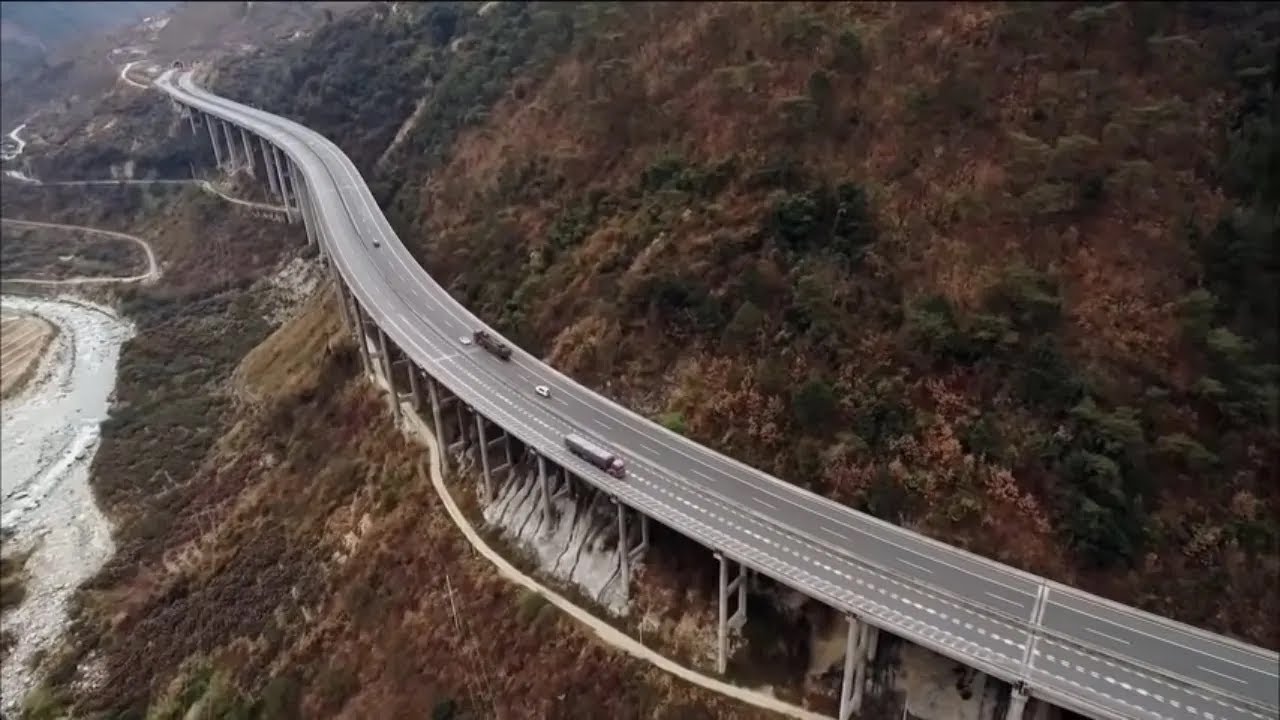
Said Morrison: “Such growth has enabled China, on average, to double its GDP every 8 years and helped raise an estimated 800 million people out of poverty. China has become the world’s largest economy (on a purchasing power parity basis), manufacturer, merchandise trader, and holder of foreign exchange reserves.
“This in turn has made China a major commercial partner of the United States. China is the largest US merchandise trading partner, biggest source of imports, and third-largest US export market. China is also the largest foreign holder of US Treasury securities, which help fund the federal debt and keep US interest rates low.
“However, the emergence of China as a major economic power has raised concern among many U.S. policymakers. Some claim that China uses unfair trade practices (such as an undervalued currency and subsidies given to domestic producers) to flood US markets with low-cost goods, and that such practices threaten American jobs, wages, and living standards…
“In addition, while China has become a large and growing market for US exports, critics contend that numerous trade and investment barriers limit opportunities for US firms to sell in China, or force them to set up production facilities in China as the price of doing business there.”
Against the wishes of America, China has risen to become a superpower with immense influence across the world. There is no country in the world that can afford to ignore China anymore.
Russia reclaims its place in the new world order
As if the threat by China was not worrying enough for America, Russia has ripped open the Cold War coffin and is fast reclaiming its place in the new world order. America must be kicking itself in the butt, asking tough questions why it failed to bury Russia after the collapse of the Soviet Union.
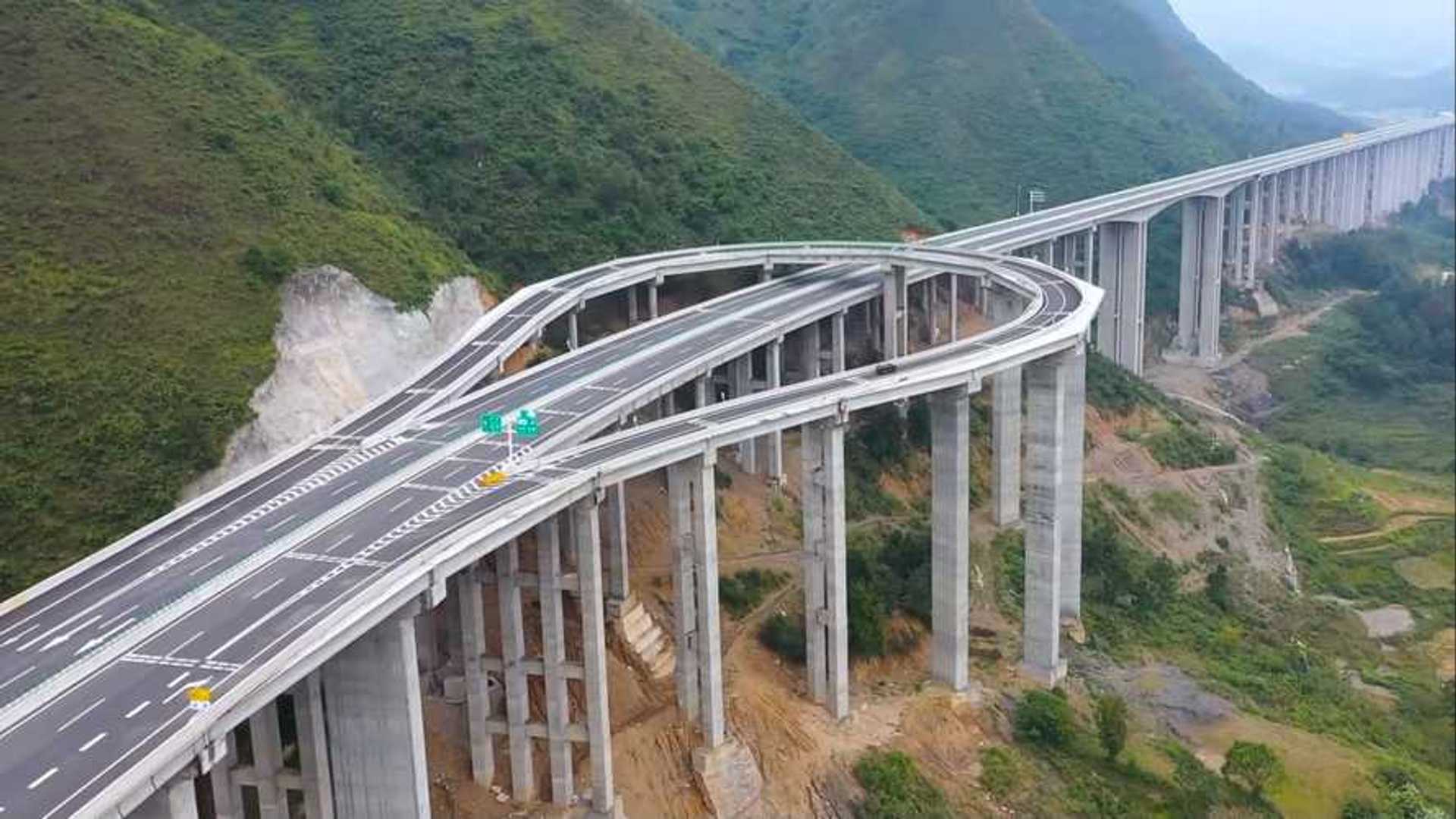
to become a superpower with immense influence across the world
And Russia is cranking up the pressure! In the early hours of 24 February 2022, the Russian President, Vladimir Putin, showed the world that the days of American dominance were coming to an end in emphatic fashion.
For months before this historic day, Russia had been warning America and NATO that they were playing dangerous games in Ukraine, but US President Joe Biden and NATO Secretary General, Jens Stoltenberg, thought President Putin was bluffing.
Arrogant America and a stunned NATO were shocked when on 24 February 2022, President Putin addressed Russia announcing a “Special Military Operation” against Ukraine. This announcement came soon after Russia’s decision to recognise the Donetsk People’s Republic and Luhansk People’s Republic on 21 February 2022 and the signing of mutual cooperation agreements between Russia and the two regions.
After announcing the start of the “Special Military Operation” in Ukraine, President Putin gave a detailed explanation why the operation was inevitable. He said: “I am referring to what causes us particular concern and anxiety – those fundamental threats against our country that year after year, step by step, are offensively and unceremoniously created by irresponsible politicians in the West.
“I am referring to the expansion of the NATO to the east, moving its military infrastructure close to the Russian borders. It is well-known that for 30 years we have persistently and patiently tried to reach an agreement with the leading NATO countries on the principals of equal and inviolable security in Europe.
“In response to our proposals, we constantly faced either cynical deception and lies, or attempts to pressure and blackmail, while NATO, despite all our protests and concerns, continued to expand. The war machine is moving and, I repeat, it is coming close to our borders.
“NATO promised not to expand to the East but they deceived us, in other words, they simply conned us…By the way, American politicians, political scientists and journalists themselves write and say that in recent years, an actual ‘empire of lies’, has been created inside the United States. It’s hard to disagree with that, as its true…
“As for the military sphere, today, modern Russia, even after the collapse of the USSR and the loss of a significant part of its capacity, is one of the most powerful nuclear powers in the world and possesses certain advantages in some of the newest types of weaponry.
“In this regard, no one should have any doubts that a direct attack on our country will lead to defeat and horrible consequences for any potential aggressor. The expansion of NATO into the east is part of US policy of containment against Russia but for our country, this is ultimately a matter of life and death, a matter of our historical future as a people…
“In this regard, in accordance with Article 51 of Part 7 of the UN Charter, with the approval of the Federation Council of Russia and in pursuance of the treaties of friendship and mutual assistance ratified by the Duma on February 22 with the Donetsk People’s Republic and the Luhansk People’s Republic, I decided to launch a special military operation…
“Now a few important, very important words for those who may be tempted to intervene in the on-going events. Whoever tries to hinder us, or threaten our country or our people, should know that Russia’s response will be immediate and will lead to consequences that you have never faced in your history.”
Soon after this chilling statement, Russian forces started pounding Ukraine whose President, Volodymyr Zelensky, scurried for cover hoping against hope that those who had fooled him to provoke Russia would come to defend his country.
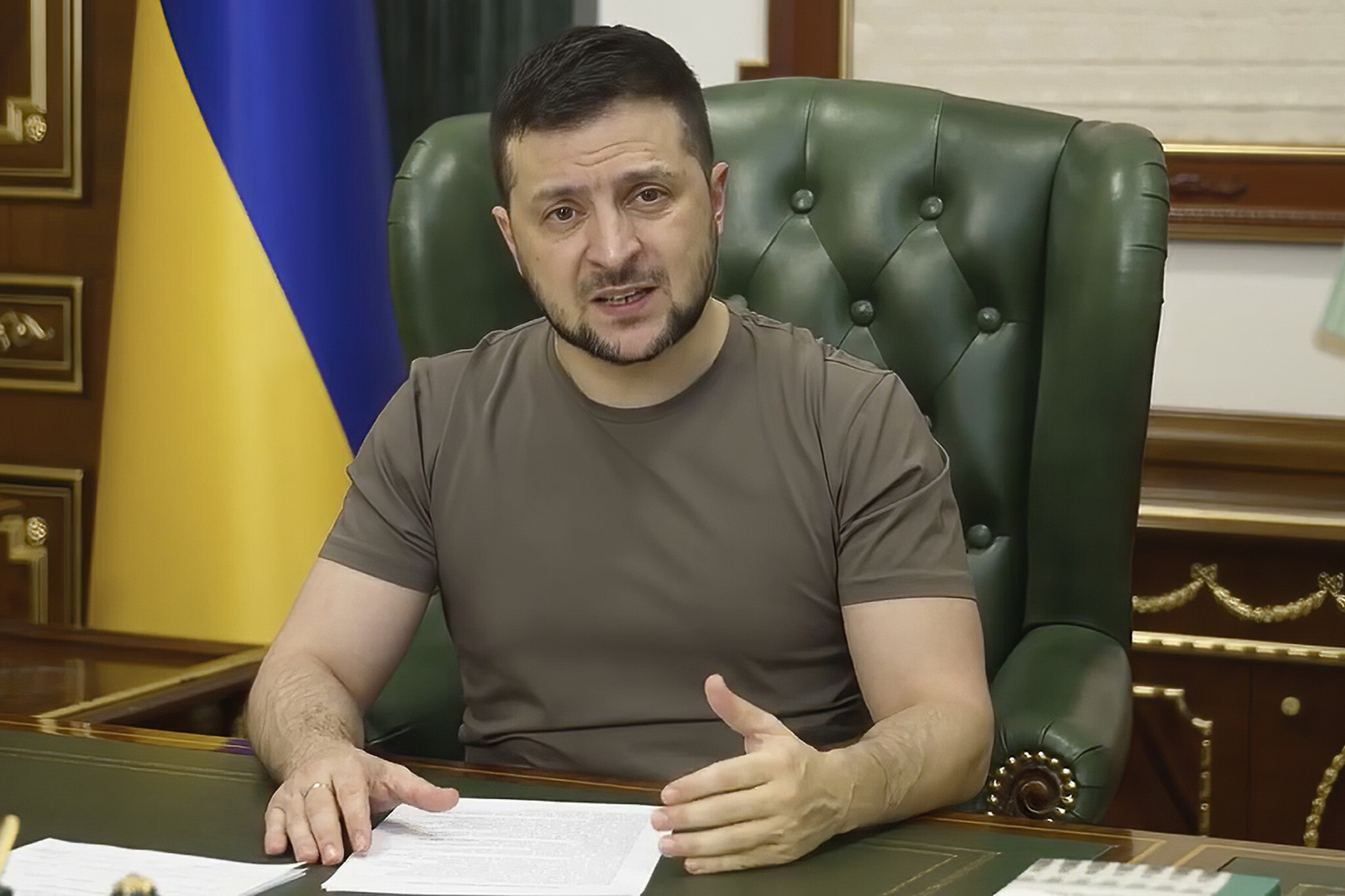
America and NATO heard President Putin loud and clear when he said: “Whoever tries to hinder us, or threaten our country or our people, should know that Russia’s response will be immediate and will lead to consequences that you have never faced in your history.”
In May 2021, America had been taught a tough lesson in Afghanistan when it was forced to hurriedly withdraw its forces, and so President Biden knew that he could not commit yet another blunder in Ukraine.
Instead of sending troops to defend Ukraine, America and its allies decided to play it safe, supplying Ukraine with arms to fight the war on its own. To his dismay, President Zelensky realised that his country was just a pawn in the fight between Russia and America.
It is clear that while the Special Military Operation is taking place in Ukraine, that war has nothing to do with Ukrainians. It is a war between Russia and the West, led by America under the umbrella of NATO. Unfortunately, while Zelensky continues to play macho games, his country is being reduced to rubble.
In a speech he gave on 21 September 2022, President Putin showed that his country is prepared for the long haul in fighting against American dominance on Ukrainian soil. “We aren’t fighting the Ukrainian people,” said Putin, but Ukraine “has become hostage of the Kiev regime and its Western masters, which have effectively occupied the country.”
He reiterated that the West was still pushing the agenda to destroy Russia. “The goal of that part of the West is to weaken, divide and ultimately destroy our country. They are saying openly now that in 1991 they managed to split up the Soviet Union and now is the time to do the same to Russia, which must be divided into numerous regions that would be at deadly feud with each other.
“They devised these plans long ago. They encouraged groups of international terrorists in the Caucasus and moved NATO’s offensive infrastructure close to our borders. They used indiscriminate Russophobia as a weapon, including by nurturing the hatred of Russia for decades, primarily in Ukraine, which was designed to become an anti-Russia bridgehead. They turned the Ukrainian people into cannon fodder and pushed them into war with Russia, which they unleashed back in 2014 …
“After the start of the Special Military Operation, in particular after the Istanbul talks, Kiev representatives voiced quite a positive response to our proposals. These proposals concerned above all ensuring Russia’s security and interests. But a peaceful settlement obviously did not suit the West, which is why, after certain compromises were coordinated, Kiev was actually ordered to wreck all these agreements.
“More weapons were pumped into Ukraine. The Kiev regime brought into play new groups of foreign mercenaries and nationalists, military units trained according to NATO standards and receiving orders from Western advisers…
“The West has gone too far in its aggressive anti-Russia policy, making endless threats to our country and people…Washington, London and Brussels are openly encouraging Kiev to move the hostilities to our territory. They openly say that Russia must be defeated on the battlefield by any means, and subsequently deprived of political, economic, cultural and any other sovereignty and ransacked…
“It’s our historical tradition and the destiny of our nation to stop those who are keen on global domination and threaten to split up and enslave our Motherland. Rest assured that we will do it this time as well.”
There is no denying the fact that Russia’s Special Military Operation in Ukraine will change world politics in general, and has already shaken American hegemony to the core. As the war in Ukraine rages on, Russia has shown America that the time for disrespecting other countries is over. After the war in Ukraine, the world order will never be the same again. Let’s get ready for a new world order.
Africa – when action speaks louder than words
Since the Ukraine war, Africa has taken a stance that should tell the West in general and America in particular that the global distribution of power is changing drastically across the world. Without saying much, Africa is showing the West and America the middle finger.
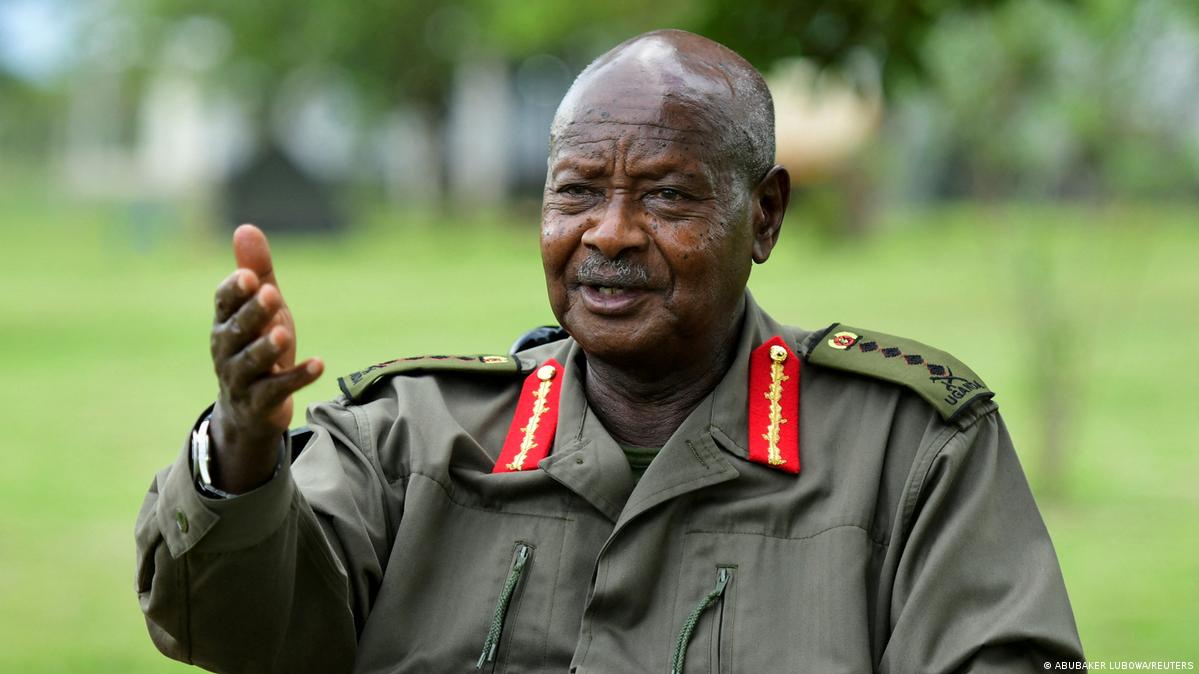
While Africa as a continent has chosen to speak mainly through action, there are a few African leaders who have spoken out in support of Russia. As usual, the granddad of African politics, Ugandan President Yoweri Museveni gave one of the most interesting statements.
After meeting Russian foreign minister, Sergey Lavrov in Uganda in July last year, President Museveni said: “How can we be against somebody who has never harmed us? If Russia makes mistakes, we tell them. When they have not made mistakes, we can’t be against them.”
We all know who has harmed Africa in the past, and we all know who continues to hurt Africa.
At the continental level, Africa has been making its moves very cautiously. Of the 35 countries that abstained from voting in a crucial UN General Assembly (UNGA) resolution in March 2022 condemning Russia’s special military operation in Ukraine, 17 were from Africa.
About a year into the conflict, Africa once again stood its ground. During a UNGA vote in February 2023, demanding that Moscow withdraw from Ukraine and end the fighting, 32 countries abstained – 15 of them from Africa. The voting patterns at the UNGA show that the days of bullying Africa are over.
President Zelensky got the message loud and clear that Africa was not on his side when he repeatedly asked to addresses the African Union through video conferencing. The request was pushed back several times and when it was finally held, only 4 African heads of state attended, while the rest sent emissaries.

In February 2023, South Africa refused to be bullied by America when it went ahead and held joint naval drills with Russia and China in the Indian Ocean. Before the drills, America had sent several warnings trying to bully South Africa to abandon the drills, but President Cyril Ramaphosa refused to be told how to run his country.
“The United States has concerns about any country … exercising with Russia as Russia wages a brutal war against Ukraine,” Karine Jean-Peirre, the White House press secretary said when asked about America’s response to South Africa holding naval drills with Russia.
America has tried to recruit African countries to its side on the Ukraine war, but after realising that Africa is not warming up to its nefarious advances, America resorted to doing what it knows best – threatening Africa with sanctions.
The US House of Representatives adopted an act that seeks to compel Washington to punish African countries who aid and abet what it sees as Russian “malign” activities in Africa. Called the Countering Malign Russian Activities in Africa Act, this piece of legislation seeks to combat what the US considers to be Russia’s and its proxies’ hostile influence on the continent.
During its 42nd Ordinary Summit of Heads of State and Government held in August 2022, the Southern African Development Community (SADC) protested against the Act saying America was trying to bully the continent once again. While America continues to anger Africa with its bullying tactics, Russia is making significant strides, winning the hearts of many on the continent.
Last year, the Russian foreign minister, Sergey Lavrov, met leaders of Angola, Botswana, Eswatini, Eritrea, South Africa, Egypt, Congo, Uganda and Ethiopia on a series of trips to the continent. In South Africa, the country’s foreign minister Naledi Pandor described her meeting with Lavrov as “wonderful” and called South Africa and Russia “friends.”
Zimbabwe, which has been suffering under illegal sanctions imposed by the America in 2002, has also shown that America cannot tell it who to wine and dine with.
Zimbabwe hosted Russia’s biggest ally, Belarusian President Alexander Lukashenko in Harare in January 2023. Belarus has gone on to open an embassy in Zimbabwe and during Lukashenko’s visit, the two countries signed an agreement to set up a Belarus-Zimbabwe standing commission on cooperation.
As usual, Lukashenko took the opportunity to teach American a few lessons on international relations. “We are a peaceful nation. We are not coming here the way the colonialists once did,” he said, adding that Zimbabweans should refuse to be divided by Western countries that want to loot their resources. Several deals in mining, agriculture, infrastructure development, science and innovation were signed during the visit.
There was speculation that the move to host President Lukashenko would endanger the country’s engagement and re-engagement efforts but Harare wasn’t losing any sleep. In fact, in an interview with this publication that was published in November 2022, President Emmerson Mnangagwa had boldly declared that “Africa should not lose sleep just because Europeans were fighting.”
When the editors of this magazine asked him why Africa continued siding with Russia, President Mnangagwa gave a response that must have riled Washington. He said: “It is because Africa is waking up. Africa should not lose sleep because Europeans are fighting. We should be concerned about ourselves and our own problems. We sympathise with them because they are creating problems among themselves…
“Let me tell you this: The Americans approached me on the Russia-Ukraine war, that we must support the West’s stand against Russia. I said you America, you have imposed sanctions on Russia, so Russia is a victim of American sanctions. And you America, you have imposed sanctions on Zimbabwe, so Zimbabwe is a victim of American sanctions. And you come to me and tell me ‘you two victims of mine, don’t talk to each other?’’’
It was refreshing to hear an African leader openly standing his ground against America’s bullying tactics. A few years ago, this was unheard of. Many African countries were paralysed with fear whenever America gave orders. Thank God, the empire has been undressed!
But truth be told, there was no way Africa was ever going to side with the West on the Ukraine war. Russia has historical ties with Africa dating back to the days of the liberation struggle when Moscow supported many liberation movements on the continent to fight against colonialism. At that time, America was enjoying its dominance and turned a blind eye to developments in Africa. Africa doesn’t have a short memory.
Getting ready for a post-American world order
For over a century, people around the world have lived through an American era – a period dominated by US power, wealth, institutions, ideas, alliances, and partnerships. But many now believe this long epoch is drawing to a close.
There is no doubt that the US-led world is giving way to something new that political scientists are calling a post-American, post-Western, postliberal order marked by great-power competition and the economic and geopolitical ascendancy of China, supported by Russia.
A few months ago, French President Emmanuel Macron said something that shows that there is a shift in the world order. After a three-day state visit to China, Macron came out of Beijing a sober man. “The greatest risk” Europe faces is getting “caught up in crises that are not ours.” Macron thus called for a “strategic autonomy for Europe,” adding that “the paradox would be that, overcome with panic, we believe we are just America’s followers.”
He continued: “The question Europeans need to answer … is it in our interest to accelerate (a crisis) on Taiwan? No. The worse thing would be to think that we Europeans must become followers on this topic and take our cue from the US agenda and a Chinese overreaction.”
It looks like China had really managed to pump lots of sense and bravery into Macron. Obviously, America wasn’t happy but Macron didn’t care a hoot. When the empire is naked, even little boys gather the guts to throw some mud. It’s free for all.
As Russia continues pounding Ukraine, America is faced with another embarrassing dilemma. We all know that America wants to be seen as the policeman of the world and that it doesn’t really like China, but the painful truth for America is that China is the only country with the capability and capacity to bring President Putin and Zelensky to the negotiating table. This will definitely shake world politics, leaving America weak and exposed.
There is even more bad news for America. In an article that she wrote for the Washington Post in February 2023, titled; “A global divide on the Ukraine war is Deepening,” Liz Sly, a journalist who has extensively covered the Middle East wrote:
“The Middle East is one region where Russia has not succeeded in winning friends and influence”, said Faysal, a retired Egyptian consultant on organised crime who asked that his name not be used because of the sensitivity of discussing political issues in Egypt.
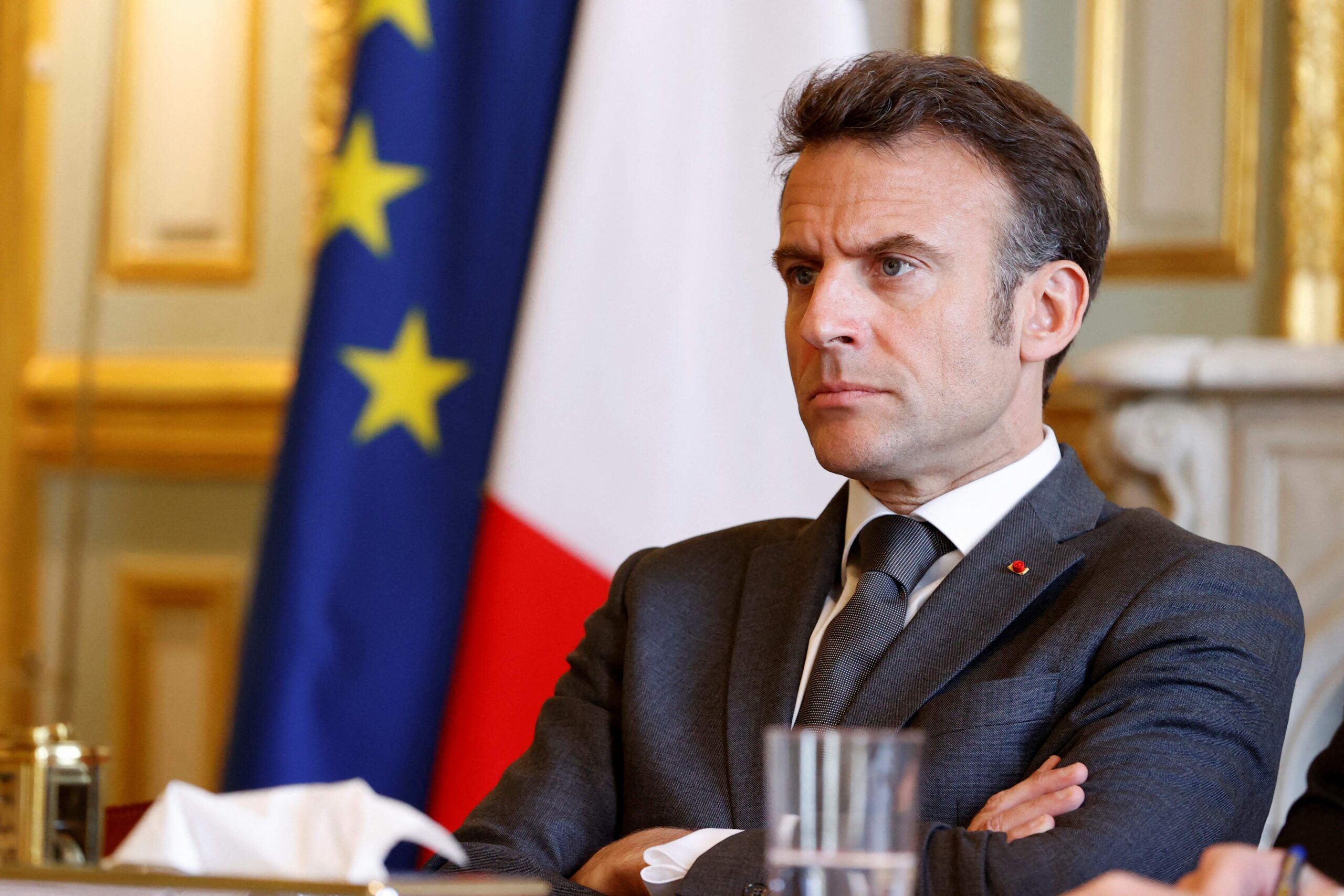
visit to China (5-8 April 2023) to tell his Europeans colleagues: “The greatest risk”
Europe faces is getting “caught up in crises that are not ours”. He therefore called for
a “strategic autonomy for Europe,” adding that “the paradox would be that, overcome
with panic, we believe we are just America’s followers. [But] the question Europeans
need to answer is … ‘Is it in our interest to accelerate [a crisis] on Taiwan? No. The
worse thing would be to think that we Europeans must become followers on this
topic and take our cue from the US agenda and a Chinese overreaction
By the way, the resentment against America is growing across the world. India recently announced that its trade with Russia had grown by 400% since the war in Ukraine started. And hear this, only 33 countries in the world have imposed sanctions on Russia since the start of the war. Very few countries are still listening to America.
Things are not looking good for America and the time is fast running out to save the situation. On the home front, America has been reduced to a country of senseless mass shootings. Domestic terrorism is tearing it apart.
At the last count, it was reported that America recorded 191 mass shootings in the first 127 days of 2023. Scary figures, but not in America. They get angry, give the mass shootings extensive media coverage for a few days, and they move on. Mass shootings have become a weekly diet and that’s very normal.
While President Biden is at sixes and sevens on how to deal effectively with the mass shootings, his country is faced with another challenge. There are reports that the US dollar is on the verge of a major decline and might even lose its status as the world’s major reserve currency.
“De-dollarisation” or the movement away from using the US dollar as the primary currency of exchange in global trade and investment, is gathering momentum across the world.
Reports say China is beginning to use the yuan in commodity trades with a handful of trading partners, while Brazil and Argentina have taken the lead in exploring the potential for a common currency. Of course, “de-dollarisation” won’t happen overnight, but the signs are boldly written on the walls. The end of the US dollar is nigh!
Even Africa is waking up from the colonial slumber. In one of his interviews with the media, President Paul Kagame said something quite revealing: “Why should someone print paper and hand them over to Africa and require us to pay back, not with another paper but our resources? I have come to the realisation that this is an act of modern-day slavery and colonisation.”
Through the above statement, President Kagame was encouraging Africa to embark on resource nationalism so as to protect its natural resources. As the world continues exiting the US hegemony, Africa should unite so that it occupies its rightful place in the new world order.
What Fukuyama saw in 1992 as the end of history is turning out to be the beginning of history. Goodbye America!
Leave a Reply